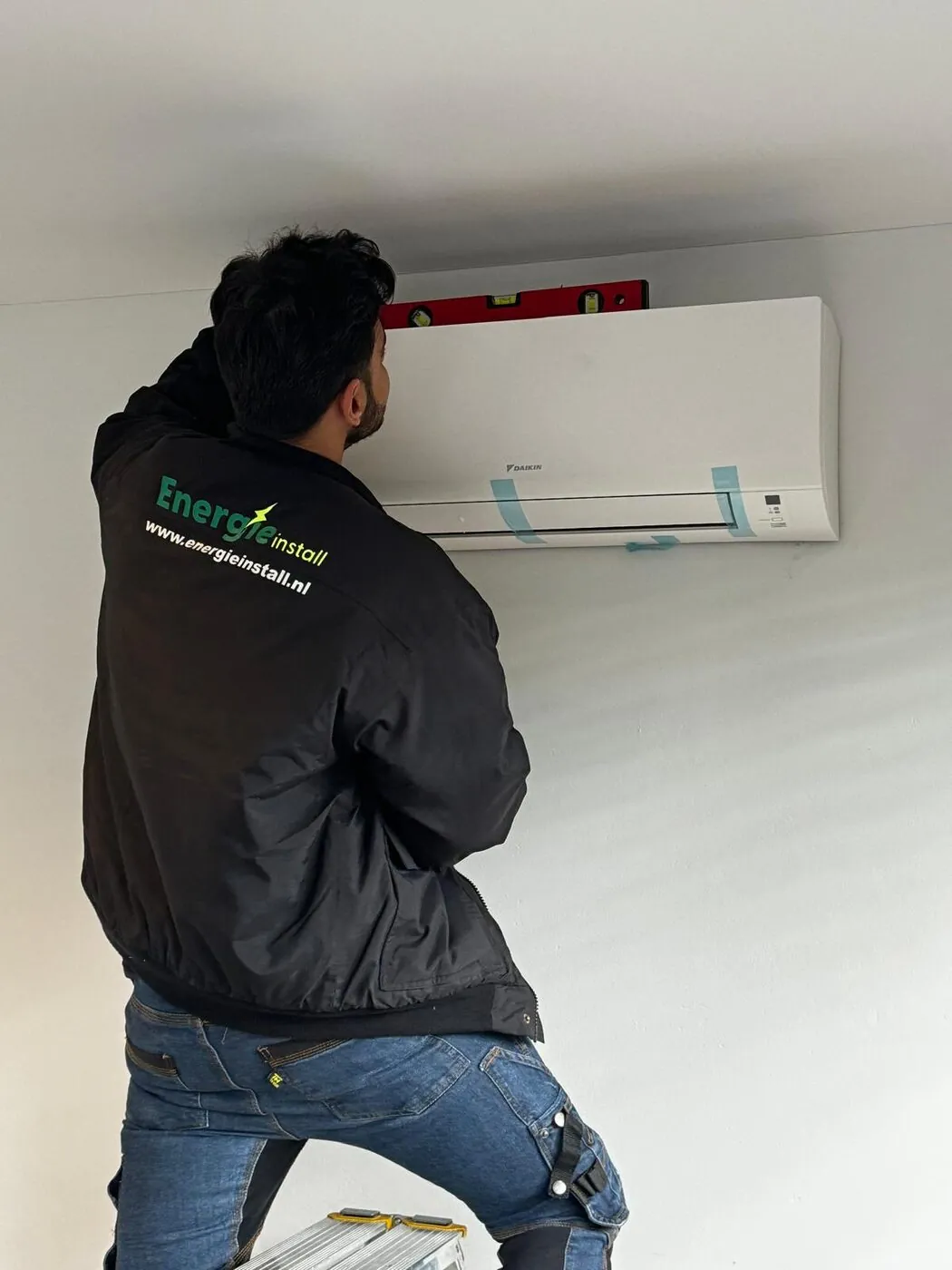


At first glance, an air conditioning unit and a heat pump may look similar, but they have different functions and applications. Both systems can heat or cool your home, but they operate in different ways and are therefore not always interchangeable. It is important to know exactly what you need before making a choice. Energie Install is happy to help you understand the differences and make the right decision for your situation.
- An air conditioner is primarily intended for cooling and can sometimes also provide heating, but with limited capacity.
- A heat pump is an all-round system that can both heat and cool, and is often more efficient for heating during colder periods.
- The choice depends on your specific needs, such as the climate in your region, the insulation of your home, and your budget.
- A heat pump is usually more expensive to purchase, but can be cheaper in the long term due to lower energy costs.
How do an air conditioner and a heat pump work?
An air conditioner works using a refrigerant that extracts heat from the indoor air and discharges it outside. This process can also be reversed to heat the indoor air, but this is less efficient than with a heat pump. A heat pump extracts heat from the outside air, the ground, or groundwater and converts it into usable heat for your home. In the summer, the process can be reversed to cool your home. Heat pumps are generally more efficient because they make use of natural heat sources.
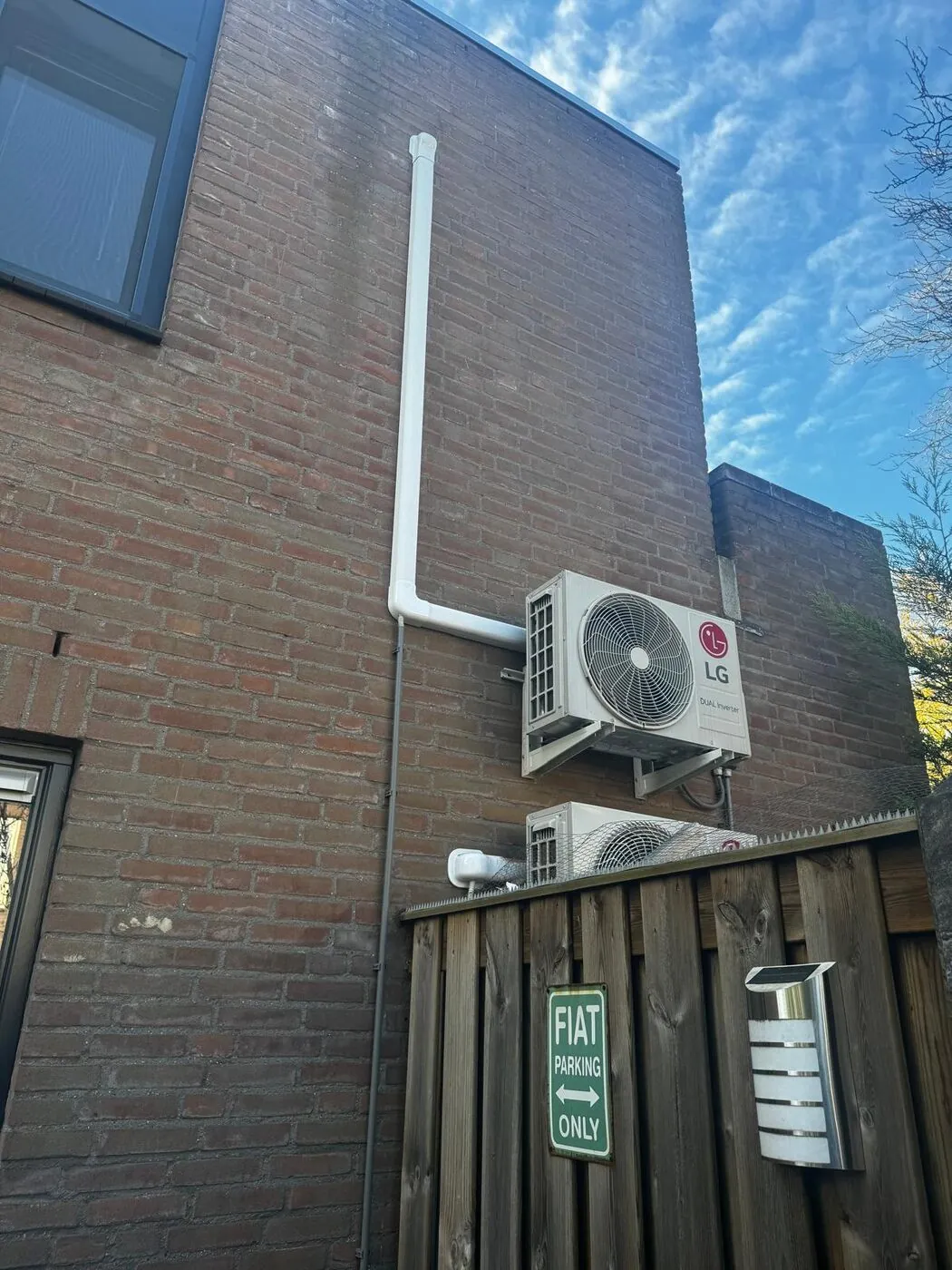
When should you choose an air conditioner and when a heat pump?
Choose an air conditioner if you mainly need cooling in the summer and occasional heating during the shoulder seasons. An air conditioner is often a more affordable option and quicker to install. A heat pump is more suitable if you also want to heat your home comfortably in winter and potentially cool it as well. It is a more sustainable system that is less dependent on fossil fuels. Also consider your insulation: a well-insulated home requires less energy to heat or cool, which can influence your choice.
Costs and savings: what is the difference?
The purchase costs of an air conditioner are usually lower than those of a heat pump, but the operating costs can be higher because an air conditioner is less efficient at heating. A heat pump requires a higher initial investment, but can save you significantly on your energy bill in the long term, especially if you are switching from a gas-fired central heating boiler. The exact savings depend on factors such as your energy consumption, the price of gas and electricity, and the efficiency of the system. Energie Install can help you make an estimate based on your specific situation.
Frequently asked questions
Can I use an air conditioner as heating in the winter?
Yes, an air conditioner can provide heating in the winter, but the capacity is limited and the efficiency decreases at lower temperatures. For constant and reliable heating, a heat pump is a better choice.
Is a heat pump suitable for every home?
Not every home is immediately suitable for a heat pump. The insulation of your home plays a major role: the better the insulation, the more efficiently the heat pump works. The available space for the outdoor unit and potentially a ground loop are also important factors. Energie Install can provide tailored advice following an inspection of your home.
Curious about what this means for your home?
Take the free sustainability check with your address; you will immediately see your energy label, roof area and savings opportunities.