
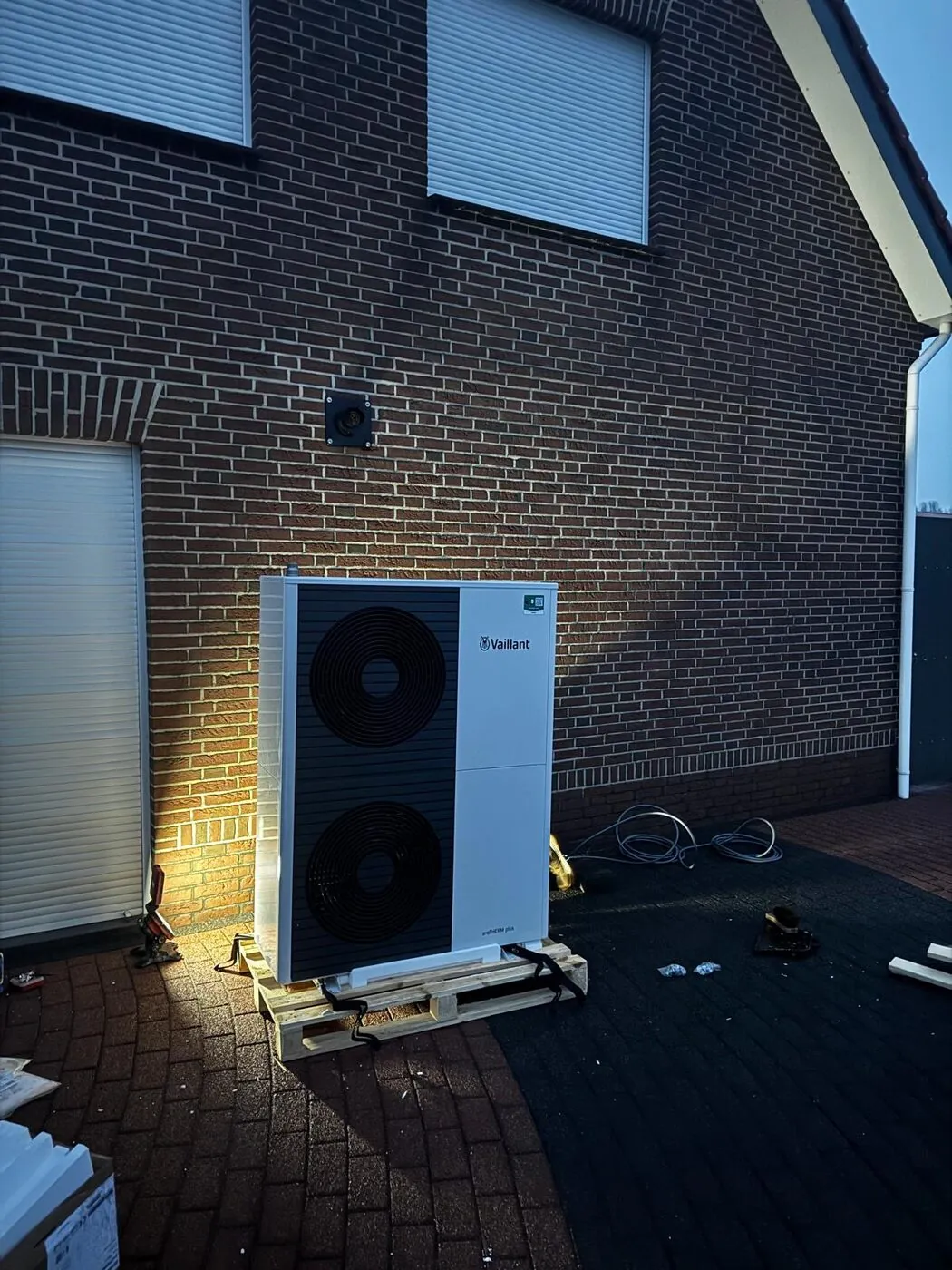


Switching to a heat pump often raises the question of whether your existing radiators are still sufficient. Conventional radiators are designed for higher temperatures than a heat pump efficiently provides, which affects your comfort and energy bill. This article explores whether replacement is necessary or if adjustments are sufficient for optimal efficiency.
- Heating requirements
- Radiator type and age
- Temperature and water pressure
What are the options for radiators with a heat pump?
If you install a heat pump, you can in some cases continue to use your existing radiators. However, it is essential to assess whether your radiators are suitable for the lower temperatures that a heat pump produces. Heat pumps often work more efficiently at a lower temperature level.
- Low-temperature radiators are ideal for heat pumps.
- Standard radiators can also work, but the heat pump will have to work harder.
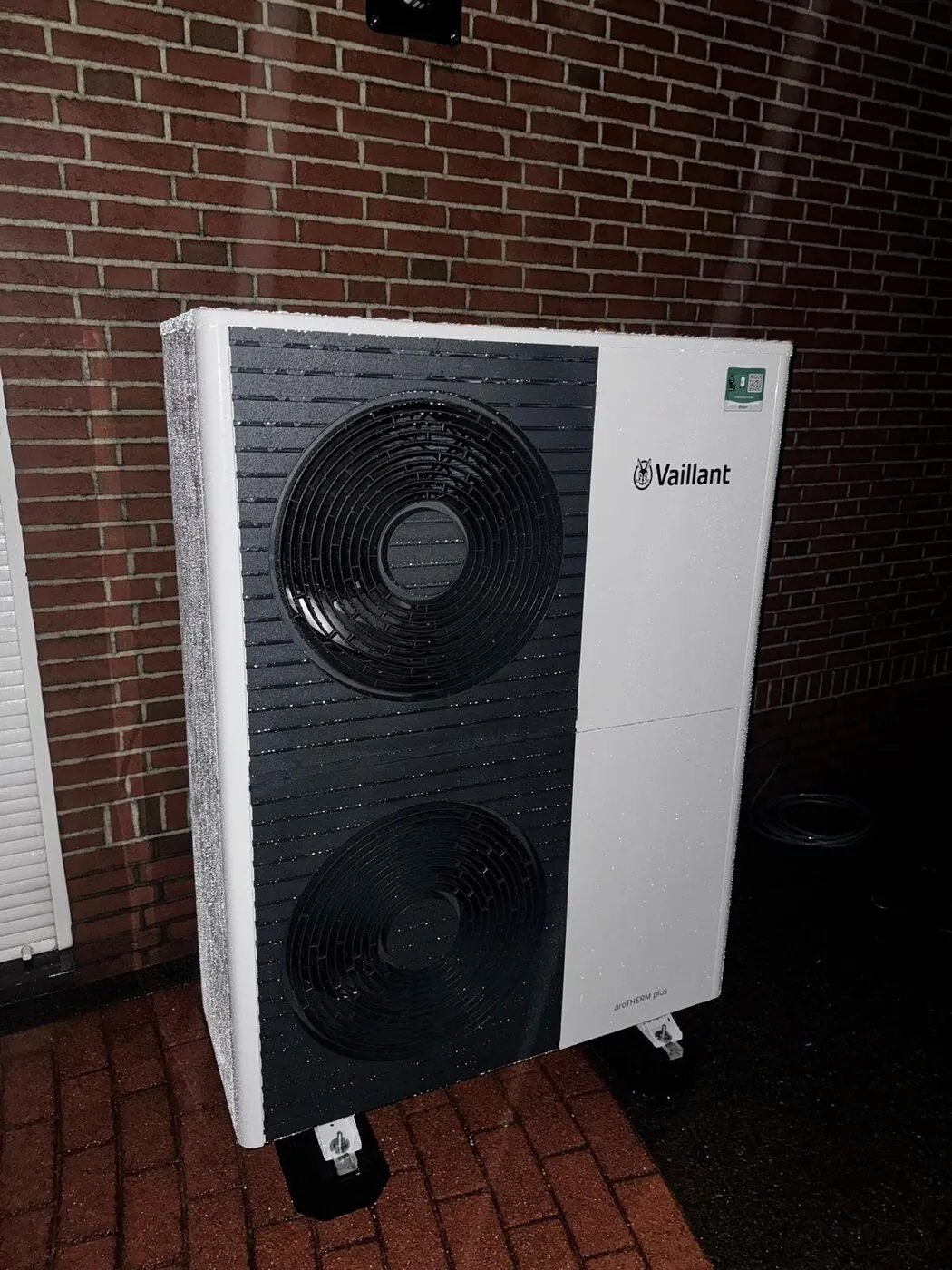
When is replacement necessary?
There are a number of scenarios in which replacing radiators may be necessary:
- If your radiators are old or inefficient.
- If your heating requirements have changed.
How do you determine the best approach?
To determine whether your radiators need to be replaced, it is wise to consult a professional such as Energie Install. They can help you assess your current heating system and advise you on the most efficient and cost-effective solution.
Frequently asked questions
Do radiators always need to be replaced when installing a heat pump?
No, but it depends on the type of radiators and your heating requirements.
Curious about what this means for your home?
Take the free sustainability check with your address; you will immediately see your energy label, roof area and savings opportunities.