Want to have an air conditioner installed? View our air conditioning installation
A installing air conditioning is more than just mounting a unit on the wall. The capacity must be right, the outdoor unit must be situated in a good location, and the refrigerant circuit must be professionally installed and tested. Below are the steps of an air conditioning installation as we carry it out.
- A good air conditioning installation begins with a survey of the room and the location of the outdoor unit
- The capacity must match the room: not too large, not too small
- The refrigerant circuit may only be installed, charged and tested by an F-gas certified company
- Upon completion, you receive an explanation of the controls, the app and filter maintenance
Step 1: Survey and advice
We inspect the room(s) you wish to cool or heat, the insulation, the potential location for the outdoor unit, and the route the pipework can take. This allows us to determine the correct capacity; also read calculating air conditioner capacity.
Step 2: Choosing the air conditioning system
For a single room, a single-split is most common: one indoor unit and one outdoor unit. For multiple rooms, a multi-split is an option, with multiple indoor units connected to one outdoor unit. Read multi-split or single-split and which types of air conditioning exist.
Step 3: Installing the indoor and outdoor units
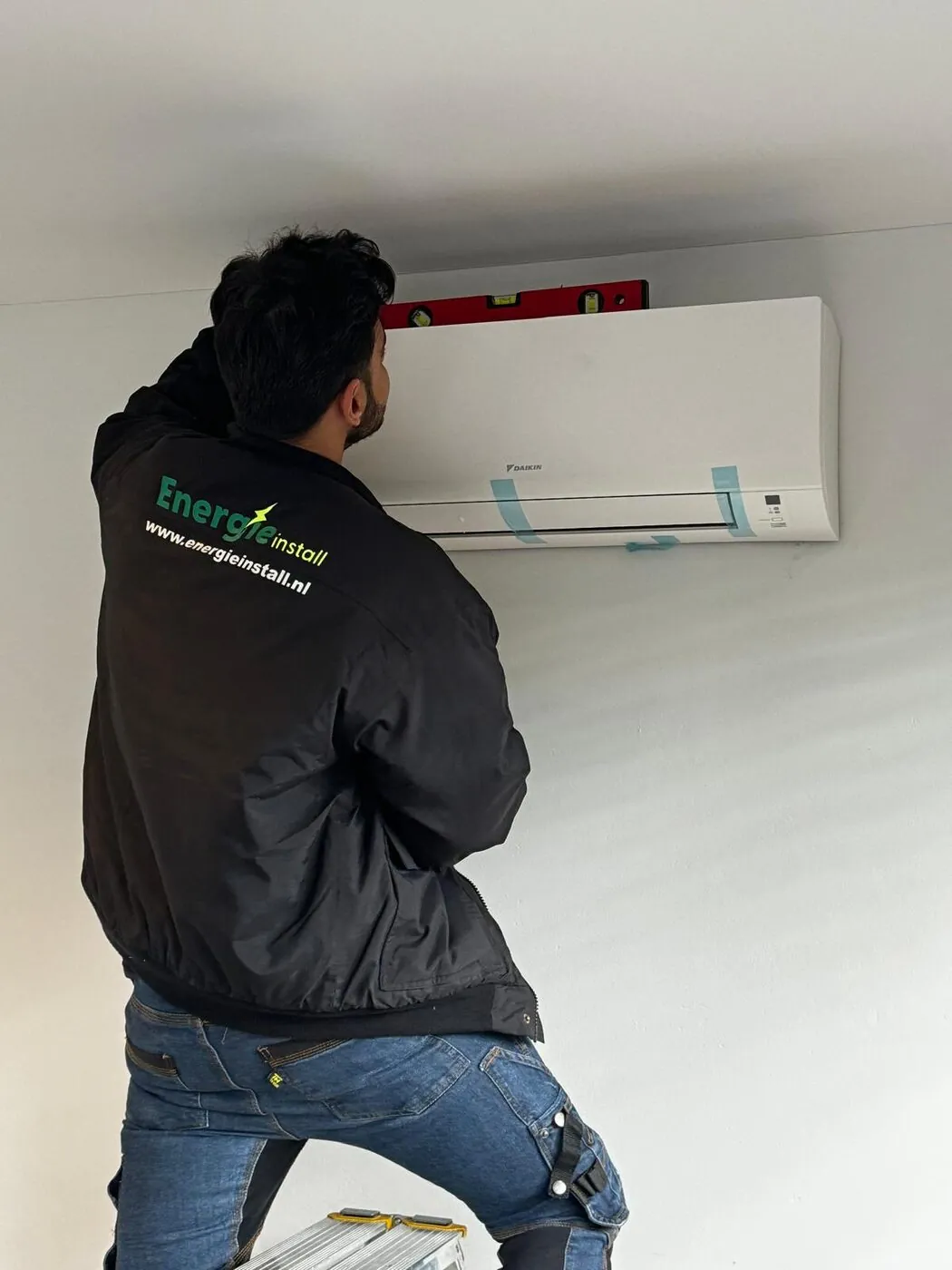
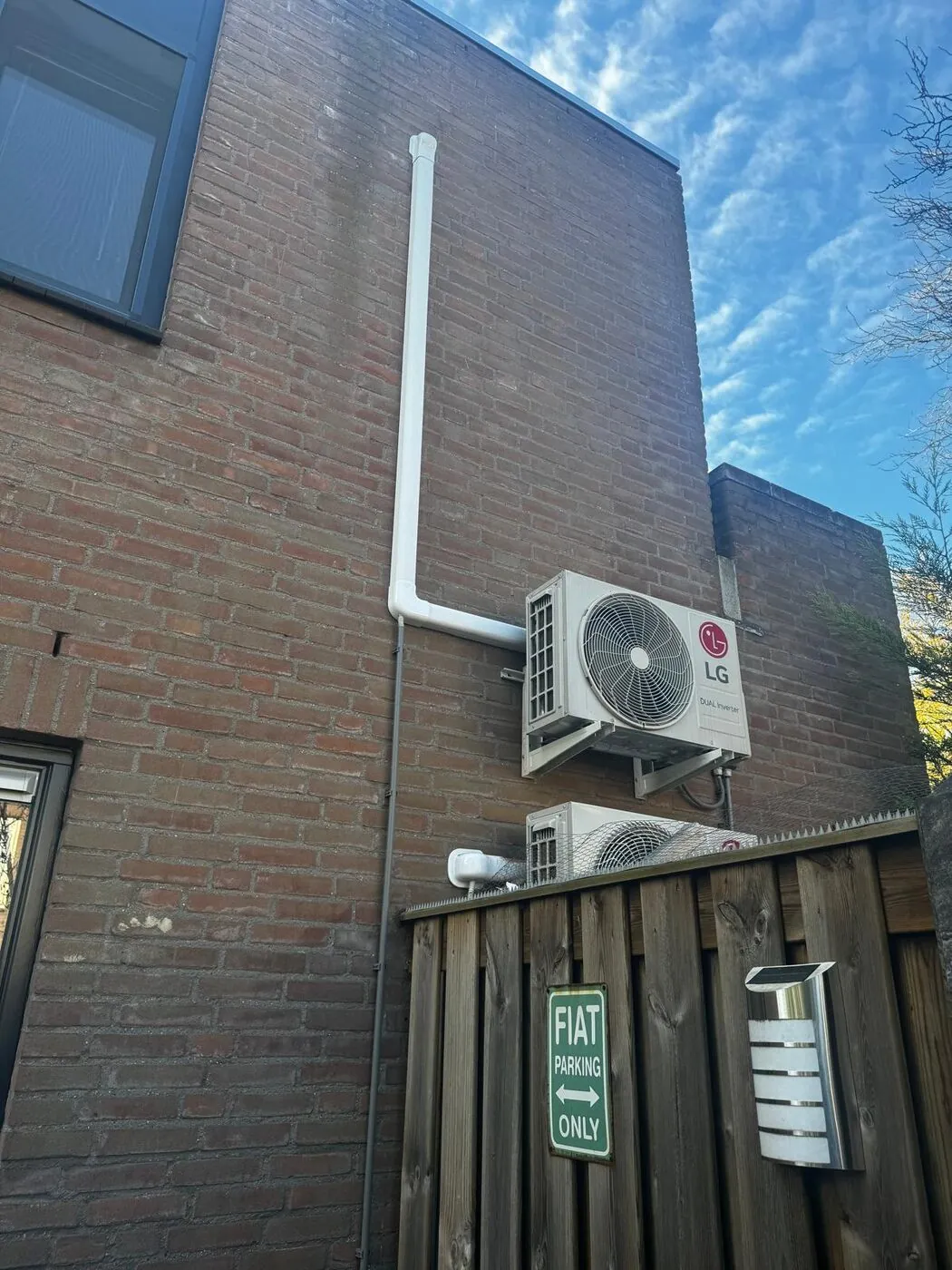
The indoor unit is placed in a spot where the air is well distributed and does not blow directly onto your bed or sofa; see positioning of the air conditioning indoor unit. The outdoor unit is mounted on the external wall, placed on a flat roof or on the ground, vibration-free and with consideration for noise levels at the property boundary.
Step 4: Pipework and condensate drainage
Refrigerant pipes, a power cable and a condensate drain run between the indoor and outdoor units. We conceal these neatly, for example in a trunking conduit. Occasionally, a dedicated circuit in the consumer unit is required.
Step 5: Vacuum pulling, charging and testing
The refrigerant circuit is vacuum-pumped, checked for leaks and commissioned. In accordance with F-gas regulations, this may only be performed by a certified company; read air conditioning and refrigerant explained.
Step 6: Handover and demonstration
We explain the controls, the app, and how to clean the filters. Afterwards, regular air conditioning maintenance keeps your system efficient and hygienic.
Would you like us to install your air conditioning? View our air conditioning installation. You can read about the costs in what does an air conditioner cost.
Which air conditioning brand?
Undecided between brands? In our comparison of air conditioning brands we put Daikin, Mitsubishi Electric and LG side by side. Ready to choose? Request a quote.
Our F-gas certified technicians will install your air conditioning neatly, from survey to completion.
Frequently asked questions
How long does it take to install an air conditioner?
The duration of an air conditioning installation can vary, but generally it takes from a few hours up to a full day. It depends on the number of units, the pipework route, and the location of the outdoor unit.
Can I install air conditioning myself?
A portable air conditioner, yes. For a split-system air conditioner, F-gas regulations dictate that the refrigerant circuit may only be installed, charged, and inspected by a certified company.
How much does it cost to install air conditioning?
That depends on the number of rooms, the capacity, the brand, and the pipework route. You can find guide prices including installation in what does an air conditioner cost.
Where should the outdoor unit of an air conditioner be placed?
On the external wall, on a flat roof, or on the ground: wherever it operates effectively, is accessible for maintenance, and complies with noise regulations at the property boundary. We discuss the options during the site survey.
Curious about what this means for your home?
Request a no-obligation quote or start with the free sustainability check for your address.