
Are you considering replacing your old central heating boiler with a new one or a heat pump? Both options have their pros and cons. At Energie Install, we are happy to help you make the right choice.
- A new central heating boiler is often cheaper to purchase, but has higher operating costs
- A heat pump can save you more in the long term, but is often more expensive to purchase
- Changing your heating system can impact your existing infrastructure
- Your personal preferences and heating needs also play a role
What are the benefits of a new central heating boiler
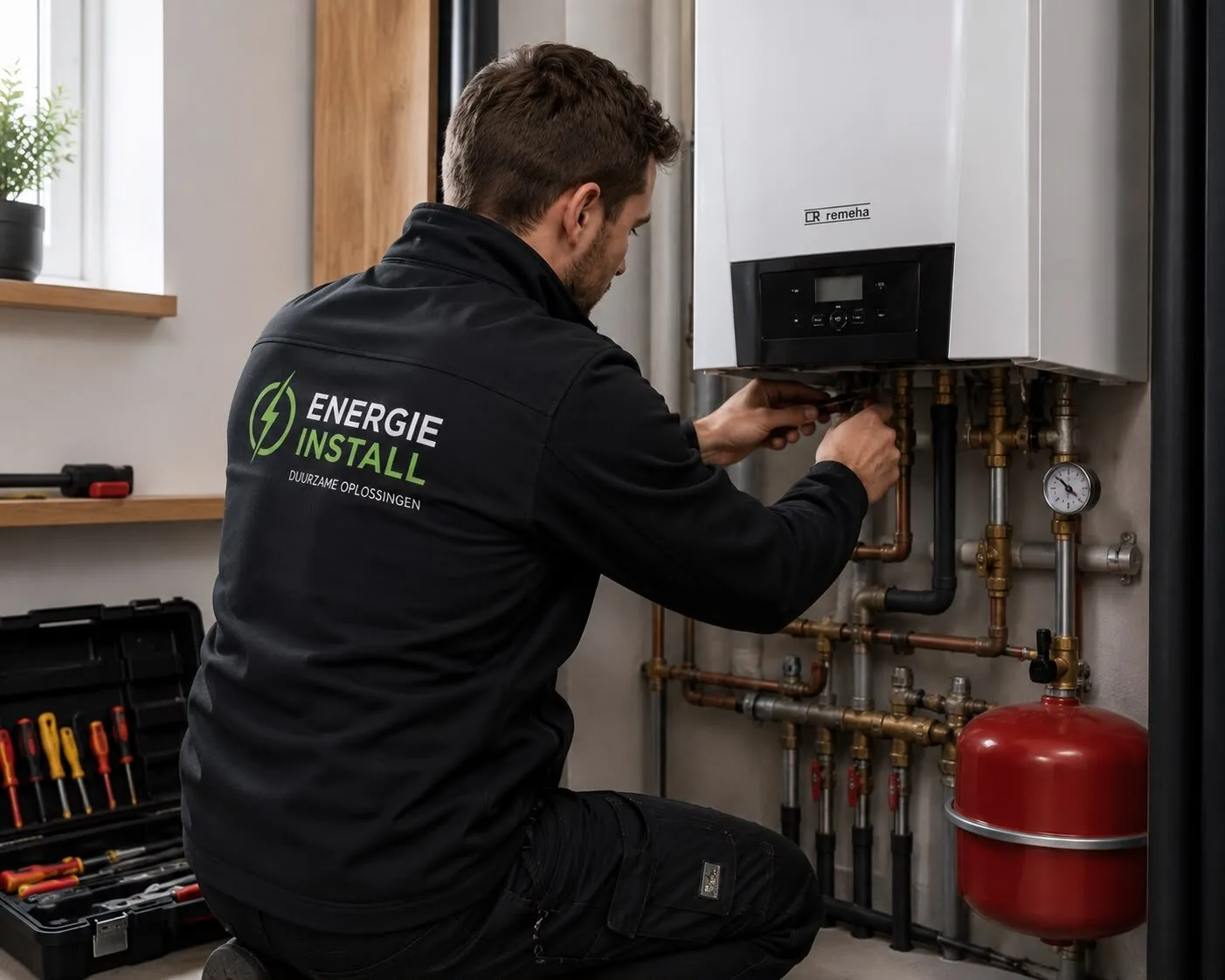
A new central heating boiler is often cheaper to purchase than a heat pump. The installation is also usually less disruptive. In addition, modern central heating boilers are more efficient and environmentally friendly than older models.
How does a heat pump work
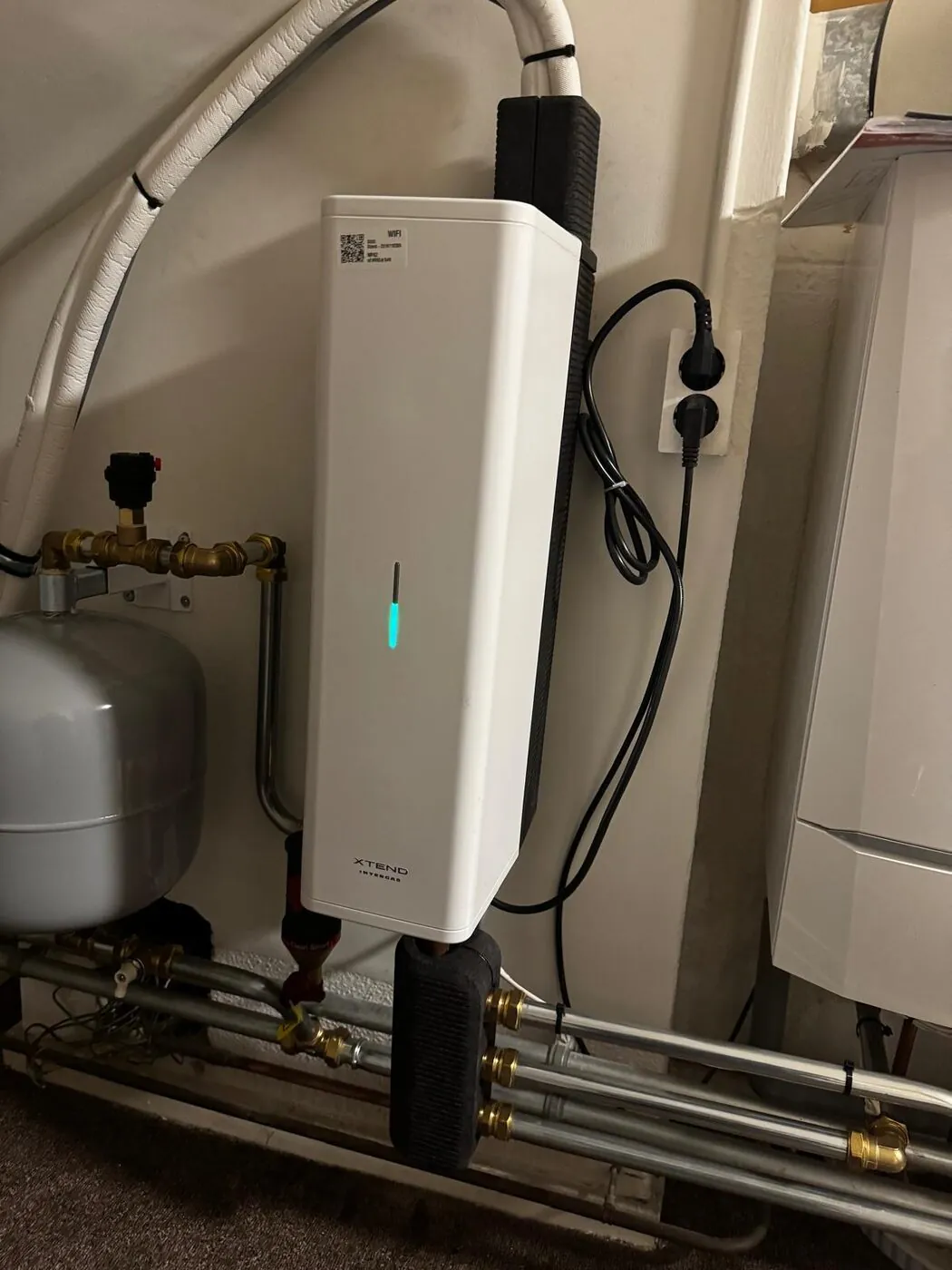
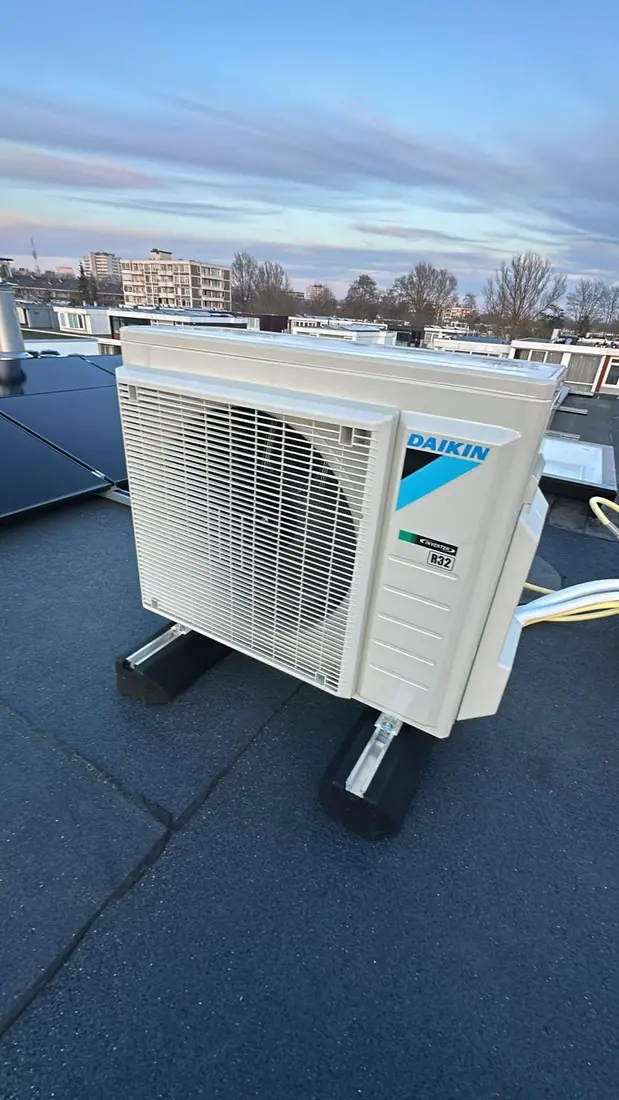
A heat pump works by extracting heat from the environment and converting it into heating for your home. This can include heat from the air, the ground, or groundwater. Heat pumps are usually more expensive to purchase, but can save you more in the long term.
Making a choice
The choice between a new central heating boiler and a heat pump depends on several factors. Your budget, the current state of your heating system, and your personal preferences all play a role. The specific characteristics of your home, such as insulation and the type of heating system you currently have, are also important. It is recommended to consult a heating specialist from Energie Install for tailored advice.
Frequently asked questions
Which is cheaper, a central heating boiler or a heat pump?
The purchase price of a central heating boiler is often lower than that of a heat pump, but the total costs over the lifespan can be more favourable for a heat pump.
How long do a central heating boiler and a heat pump last?
The lifespan of a central heating boiler typically varies between 10 and 20 years. For heat pumps, this range is often between 15 and 25 years, depending on the type and maintenance.
Curious about what this means for your home?
Take the free sustainability check with your address; you will immediately see your energy label, roof area and savings opportunities.