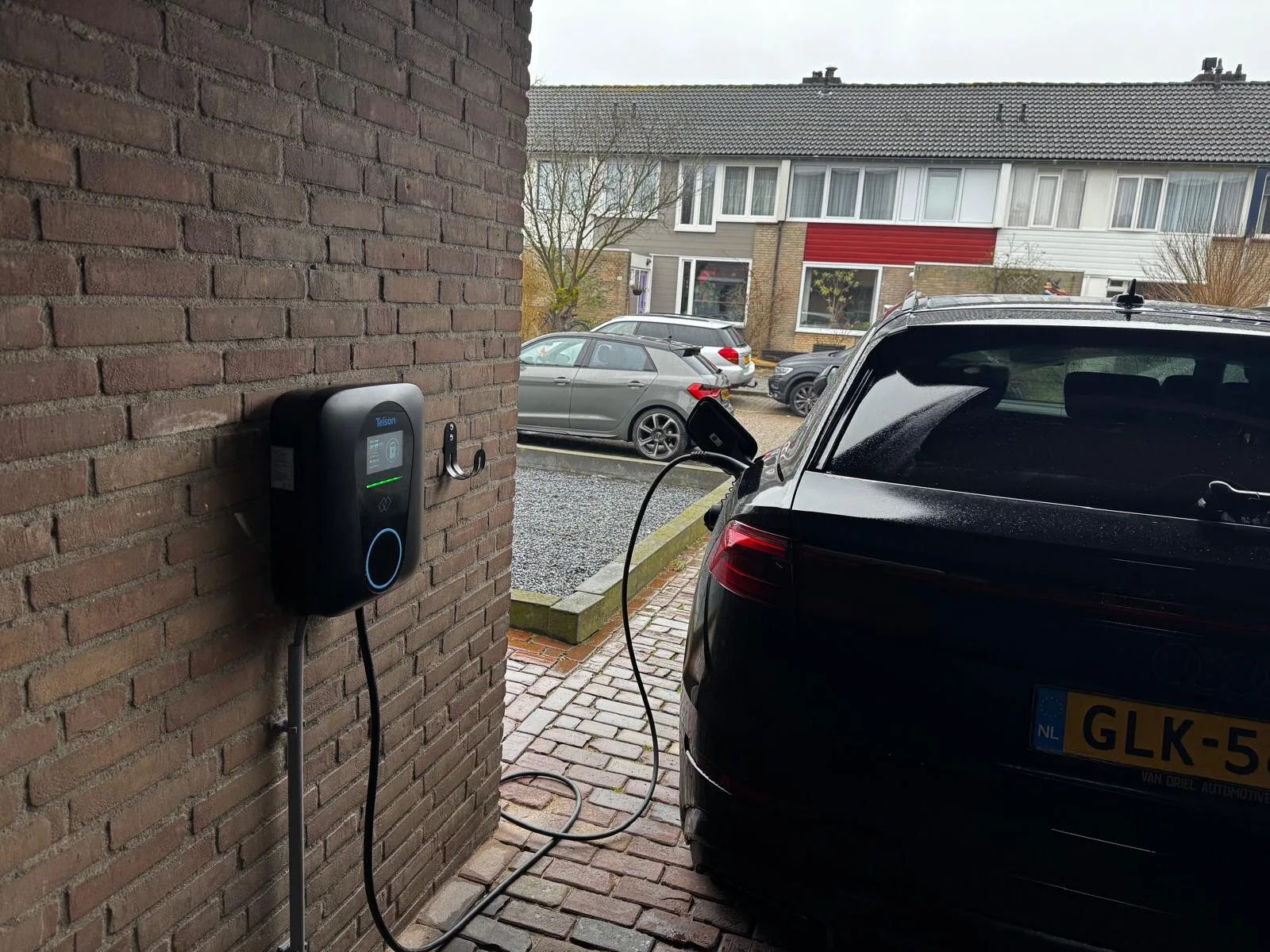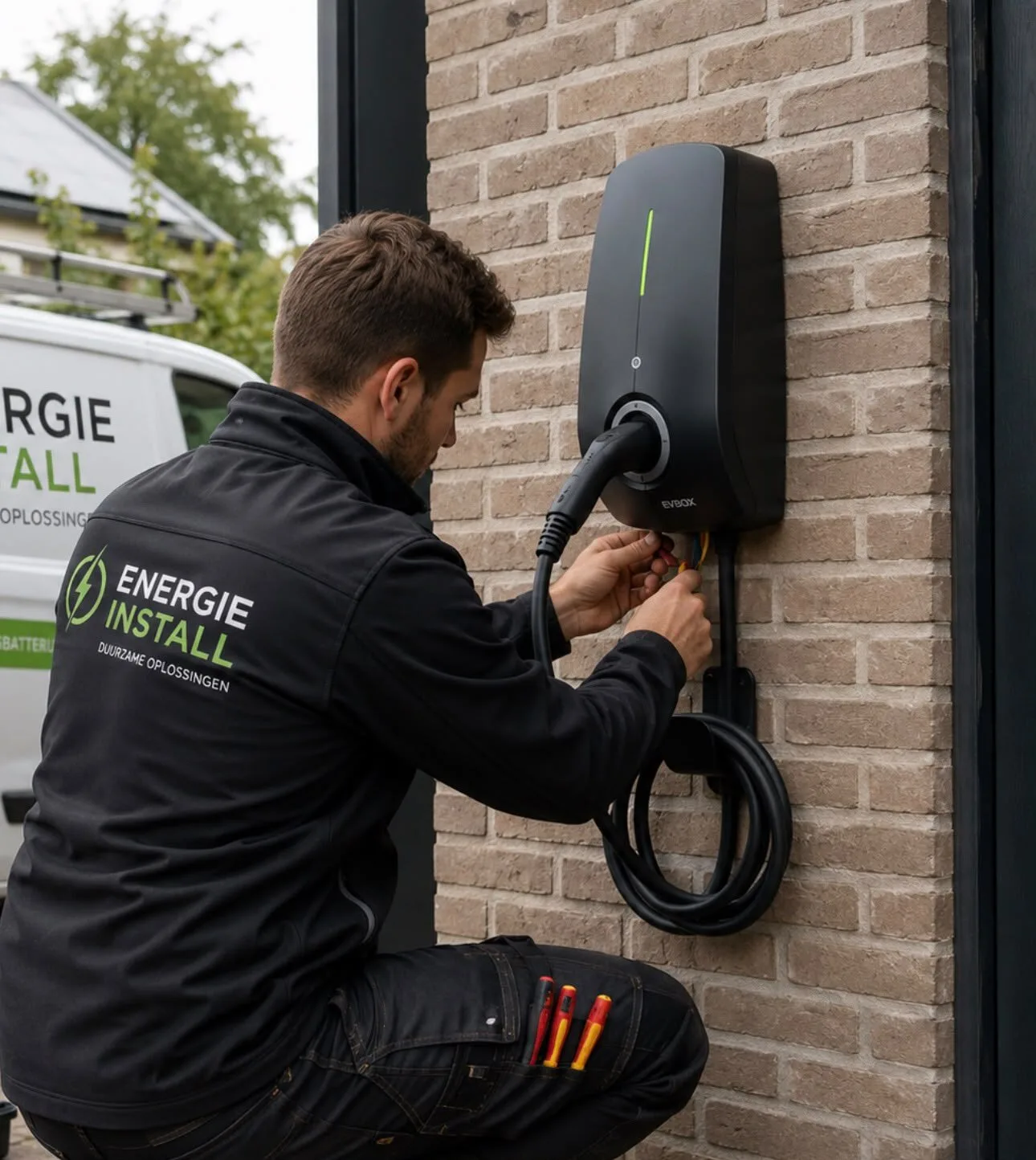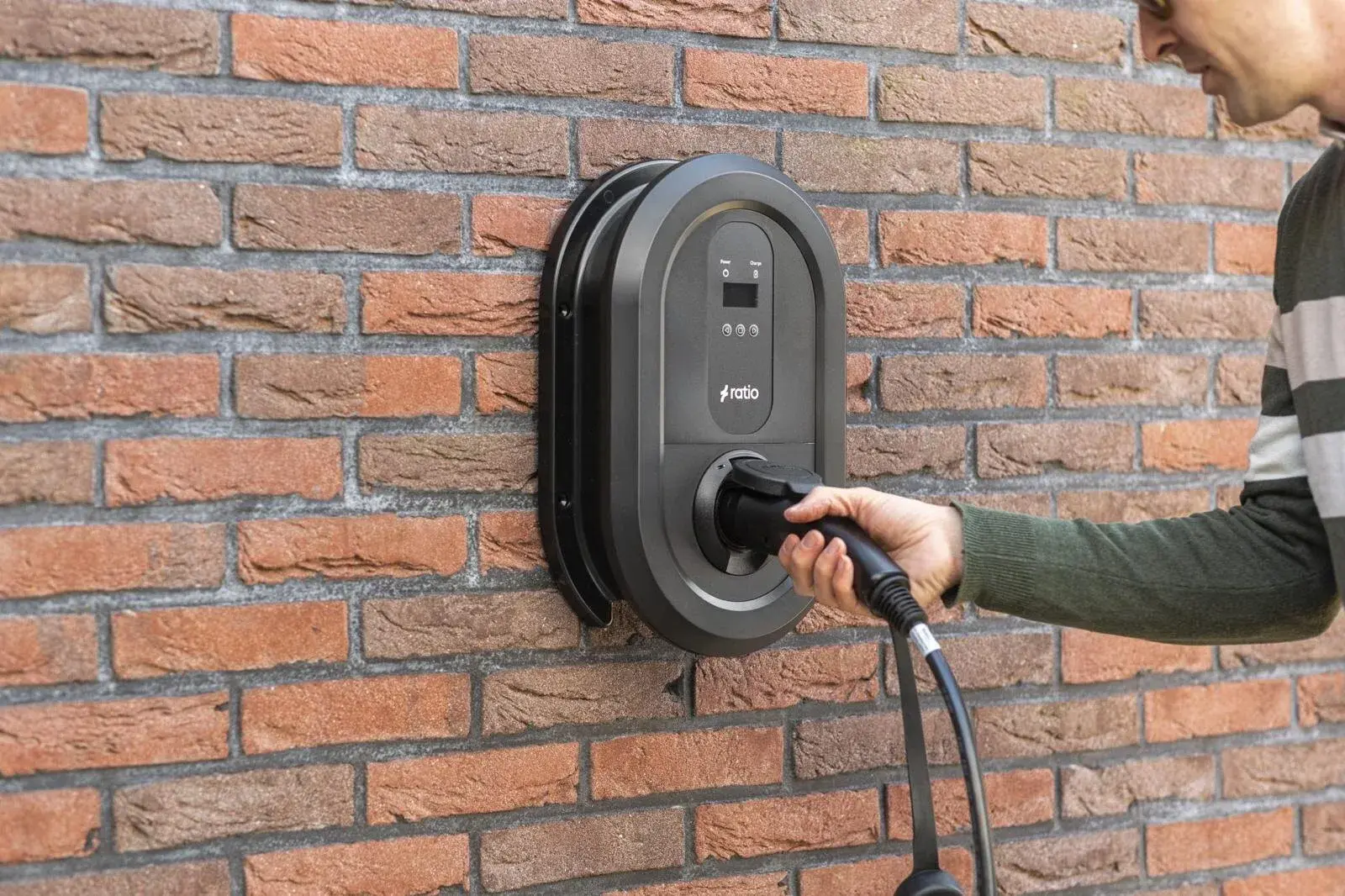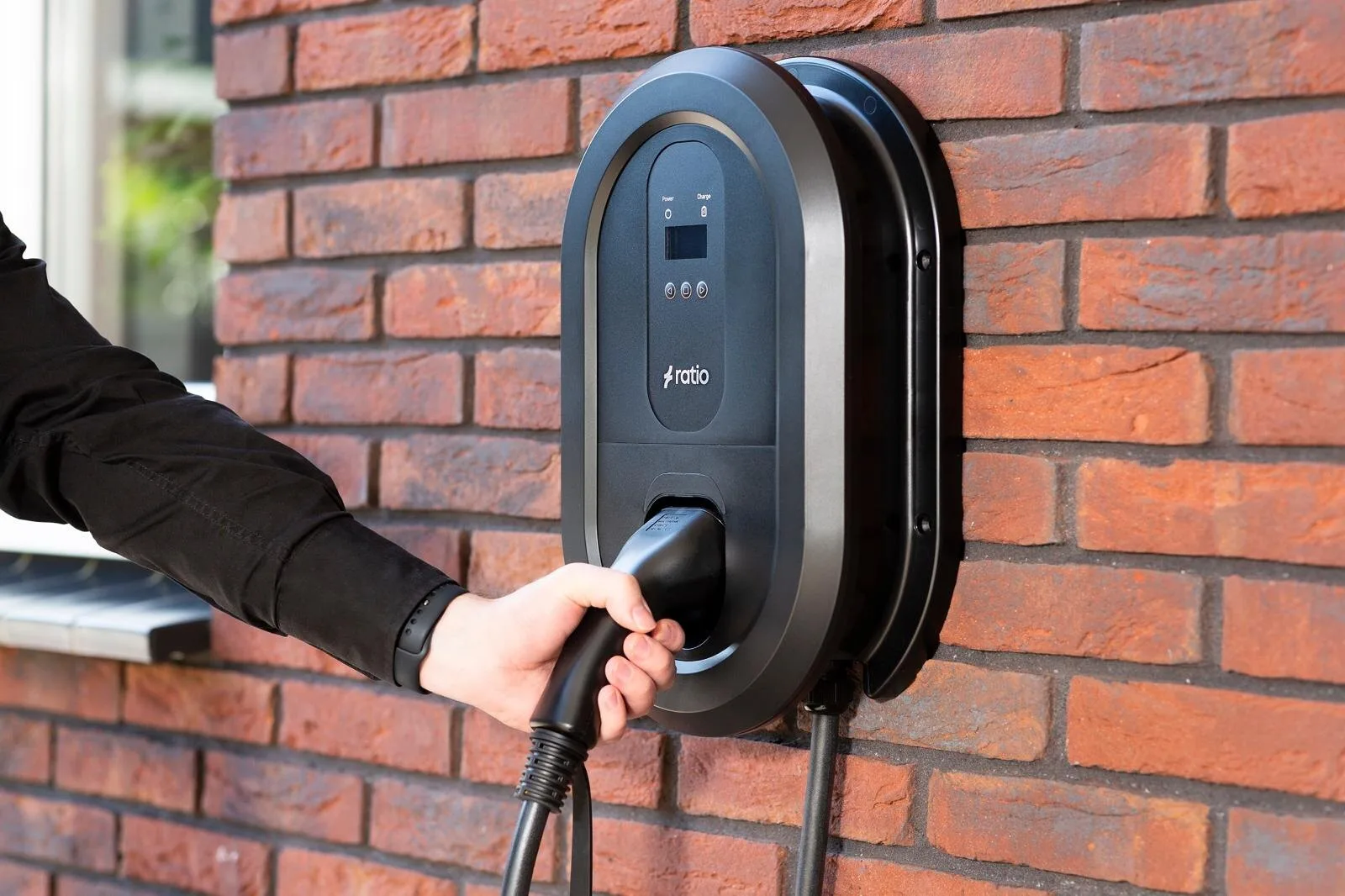
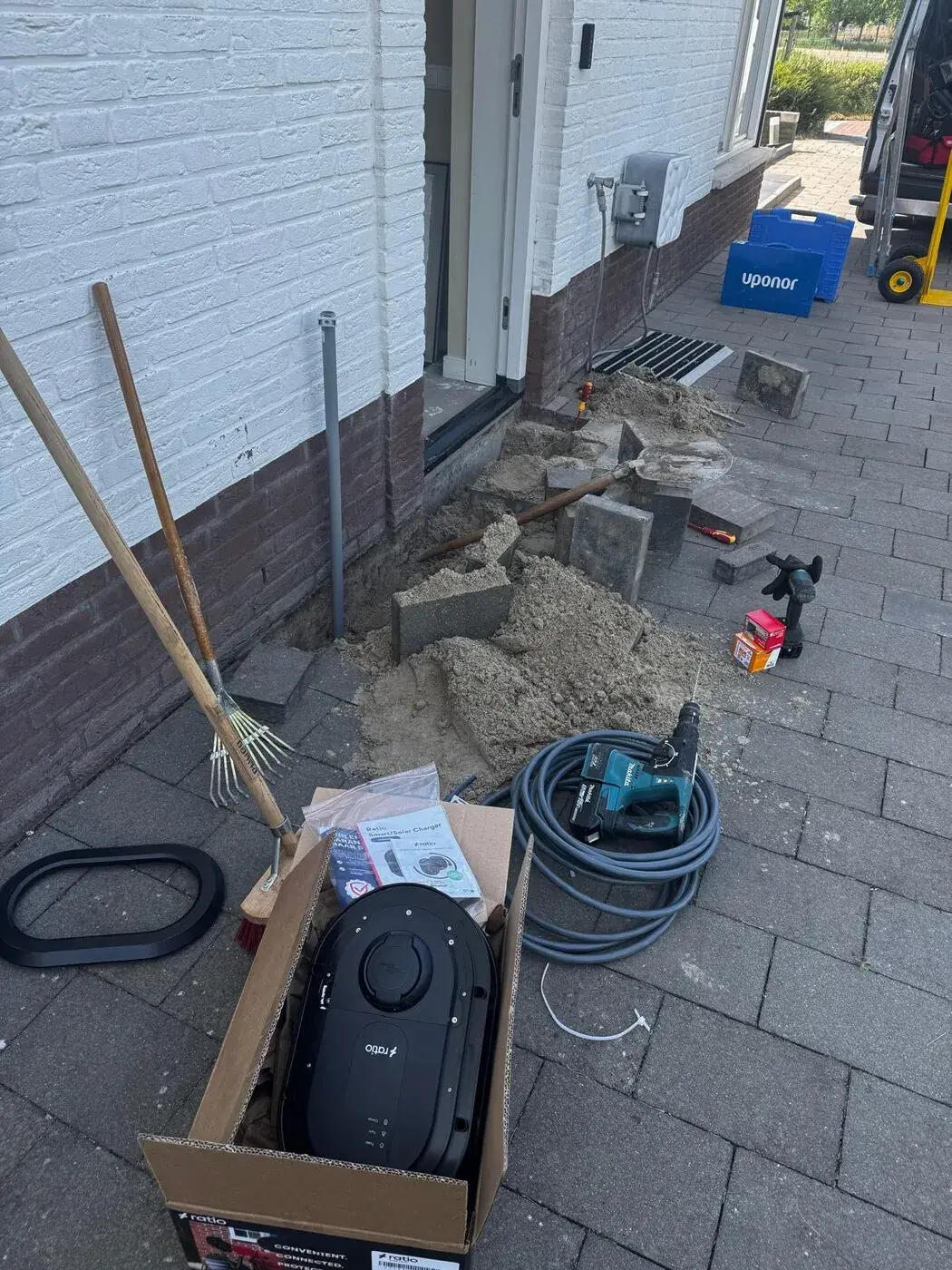
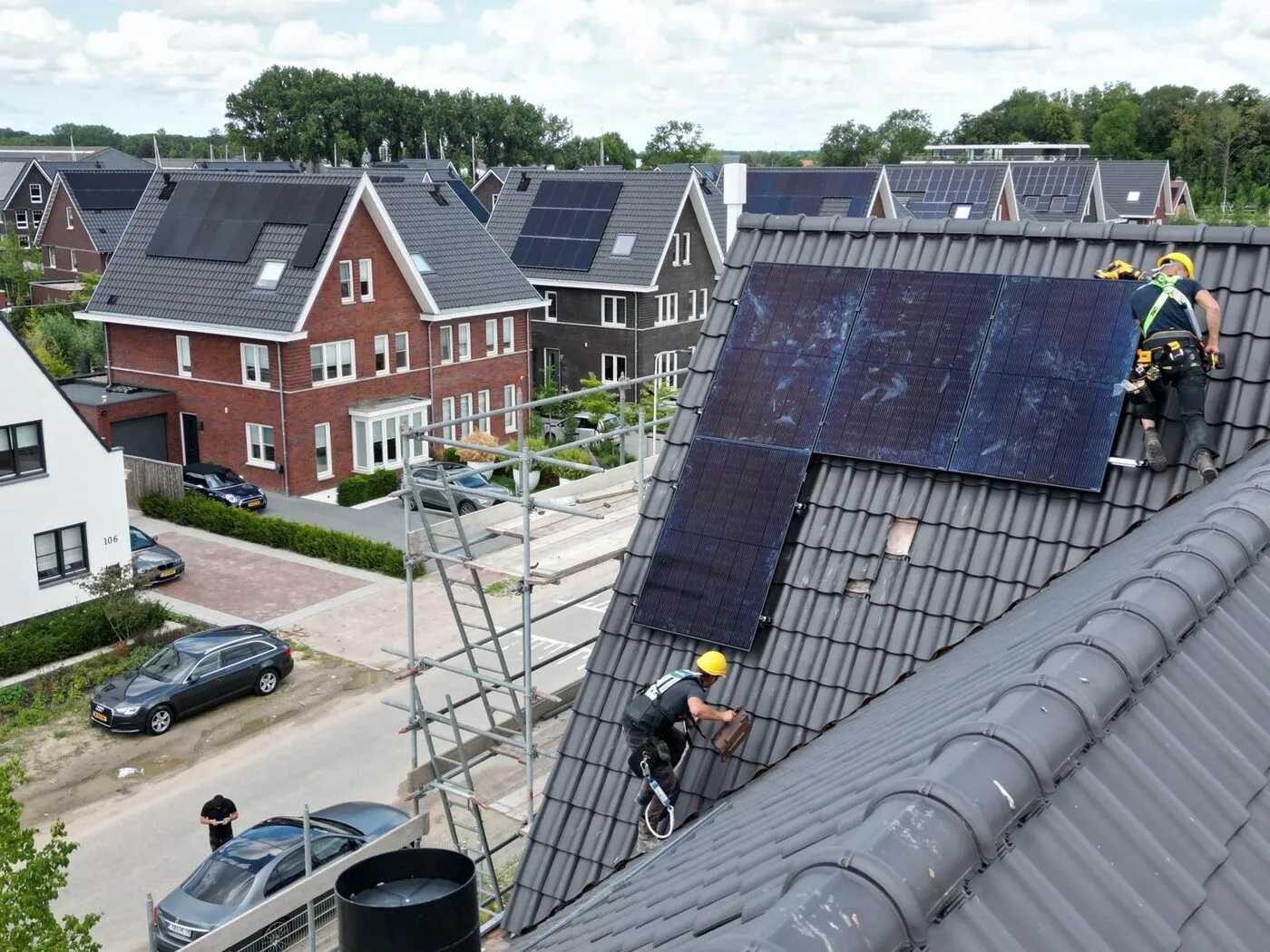
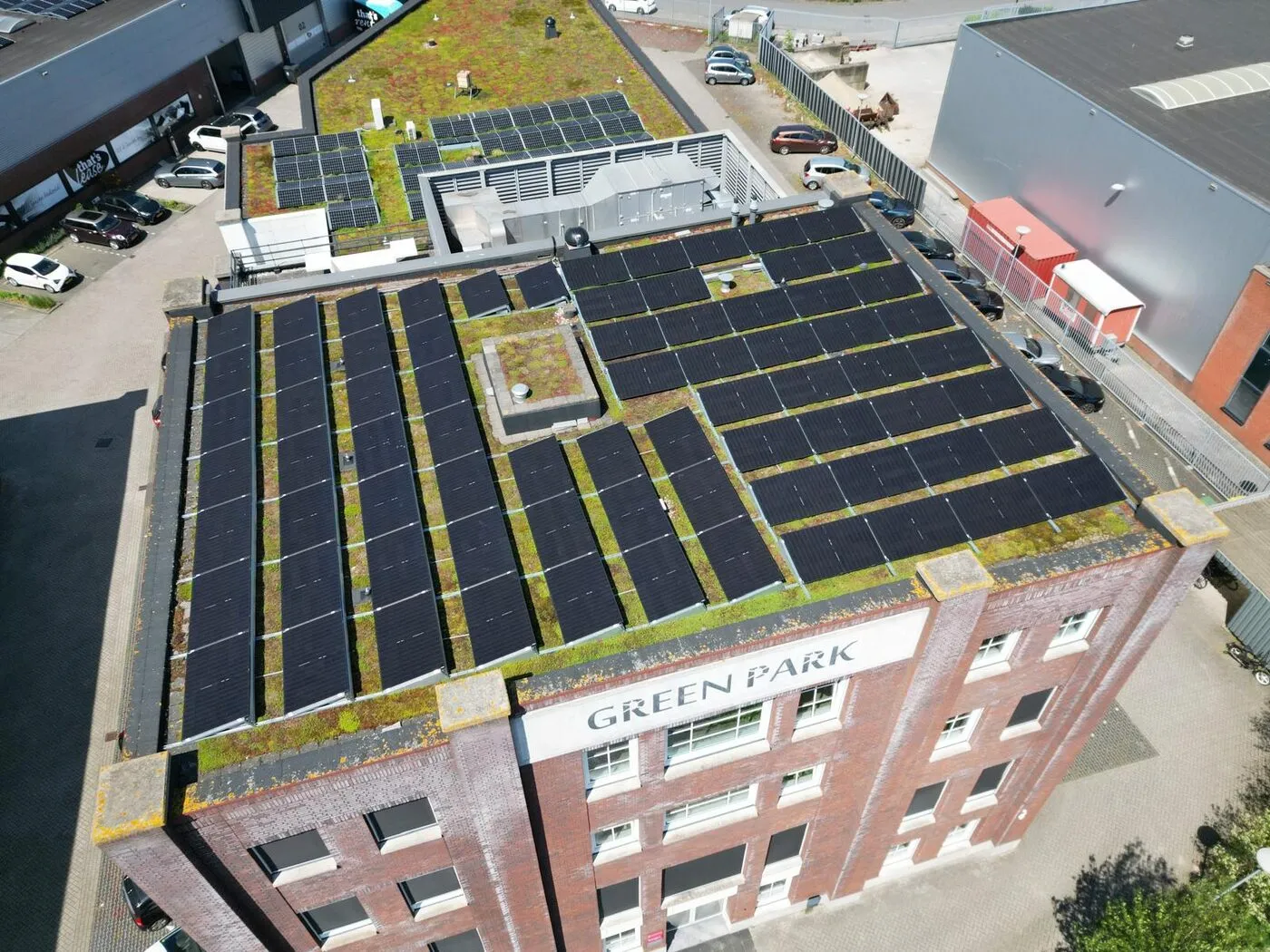
Switching to electric driving is a sustainable choice that is becoming increasingly popular. Having your own charging station at home offers great convenience. But are there also subsidies available to reduce the costs of a charging station? In this article, we delve deeper into the subsidy options for both private and business users in the Netherlands.
- No national subsidy for private charging stations
- Business users can benefit from investment schemes
- Municipal subsidies and loans are sometimes available
- Indicative cost savings through business subsidies can amount to tens of percent
No national subsidy for private individuals
For private households wishing to purchase a home charging station, there is currently no national subsidy from the government. The costs for the purchase and installation of a charging station are therefore in principle entirely for your own account. However, this does not mean that there are no options at all. It is always advisable to consult your municipality's website, as some municipalities do offer local schemes or loans to stimulate the sustainability of homes, which sometimes includes charging stations.
Business subsidy options
For business users and companies, the situation is different. There are various investment schemes that can stimulate the purchase of charging infrastructure. The most well-known are the MIA (Environmental Investment Allowance) and the Vamil (Random depreciation of environmental investments). These schemes make it possible to fiscally deduct a portion of the investment costs for a charging station (or multiple charging stations), resulting in lower taxes. The exact percentages and conditions vary per year and per type of investment. Energie Install can advise you on this.
- MIA: This allows you to deduct an additional percentage of the investment costs from your taxable profit.
- Vamil: This allows you to depreciate an investment at a time of your choosing, which can provide liquidity benefits.
It is important to check whether the charging station you wish to purchase is on the Environmental List, a requirement for both the MIA and the Vamil.
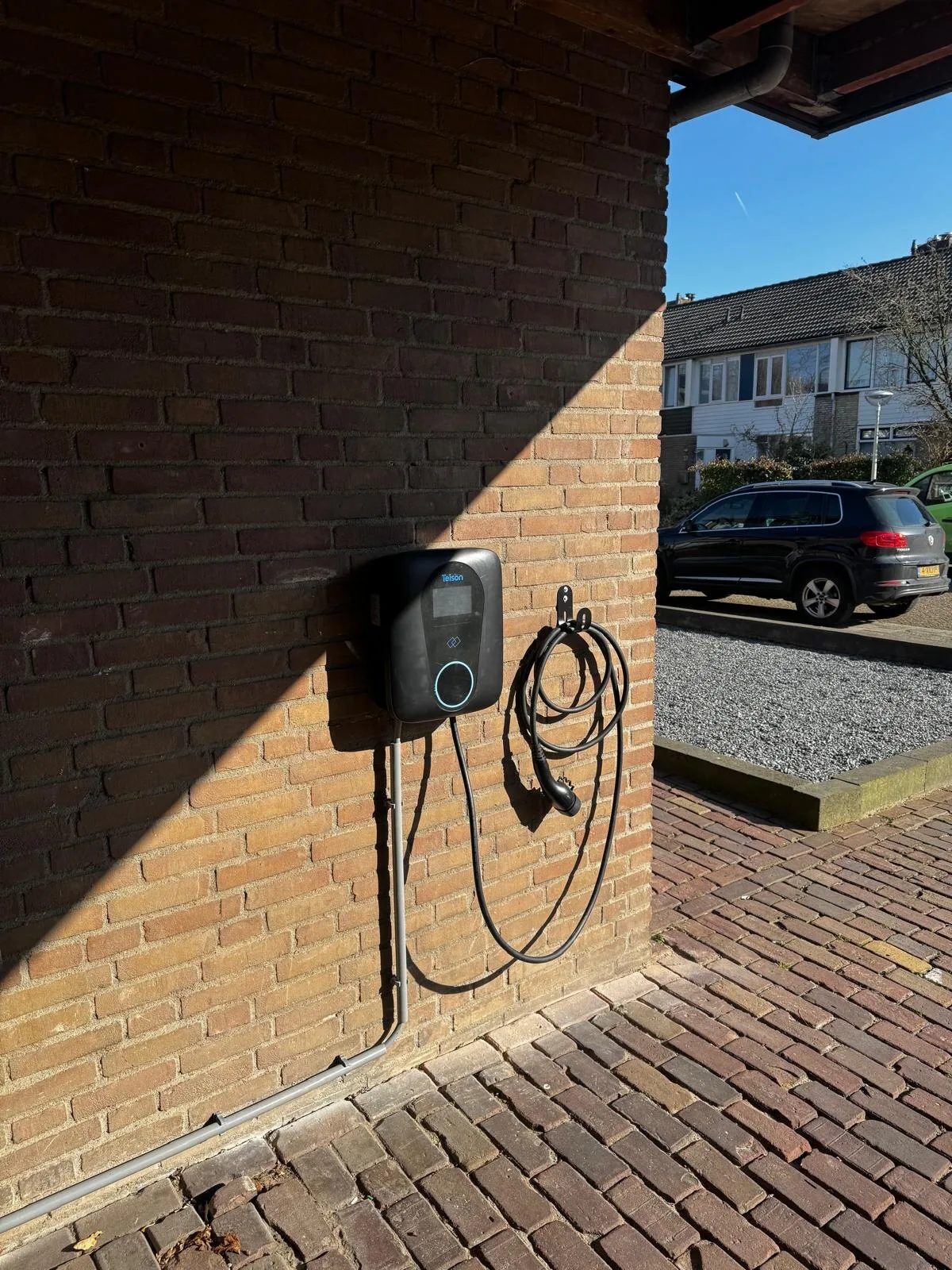
Local initiatives and loans
In addition to national business schemes and the lack of private subsidies, there are sometimes municipal or provincial initiatives. Consider, for example:
- Sustainability loans at a favourable interest rate.
- Specific subsidies for the construction of public or semi-public charging points.
- Pilot projects that stimulate the construction of charging infrastructure in certain areas.
These schemes are often temporary in nature and highly dependent on local government policy. A quick search on your municipality or province's website using keywords such as 'charging station subsidy' or 'sustainability loan' can give you more insight. Energie Install stays up to date with relevant developments and can point you to general information sources.
Frequently asked questions
Am I eligible for a subsidy for my charging station as a private individual?
No, there are currently no national subsidies available for private charging stations in the Netherlands. It is, however, worth checking with your municipality for any local schemes or sustainability loans.
What subsidies are there for companies that want to install a charging station?
For companies, there are the Environmental Investment Allowance (MIA) and the Random depreciation of environmental investments (Vamil). These schemes offer tax benefits by deducting a portion of the investment costs from the taxable profit. The charging station must be on the Environmental List.
Curious about what this means for your home?
Take the free sustainability check with your address; you will immediately see your energy label, roof area and savings opportunities.