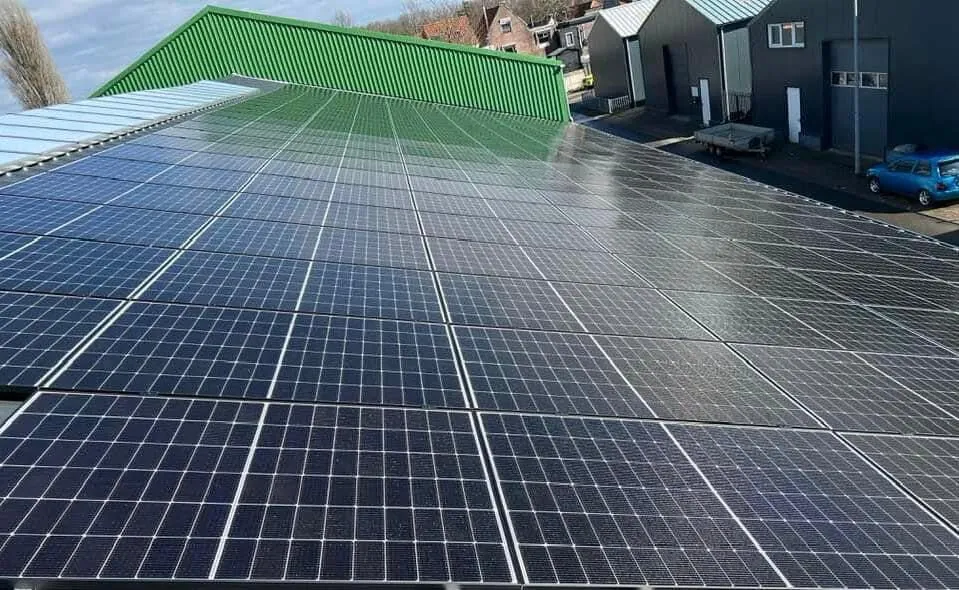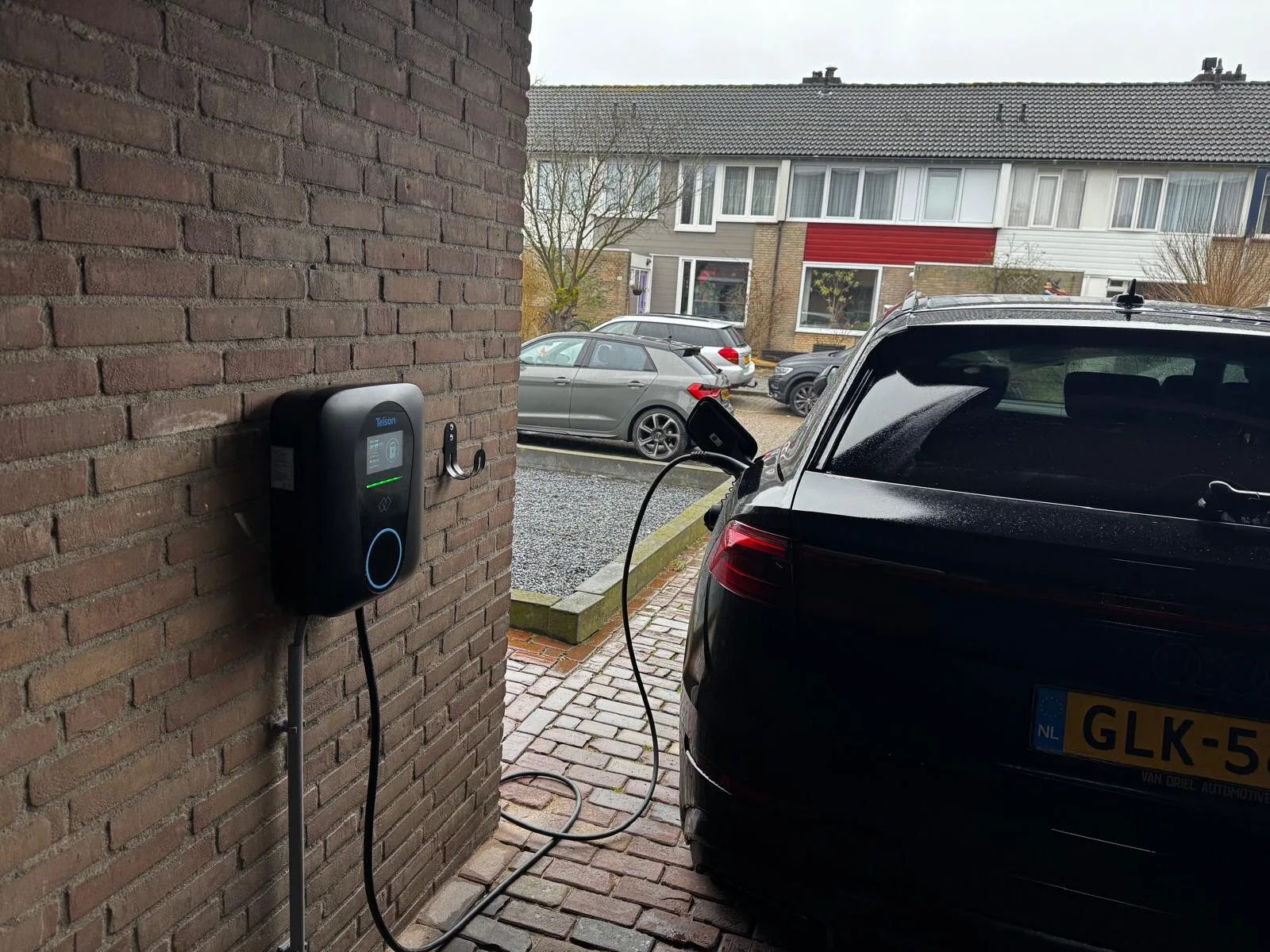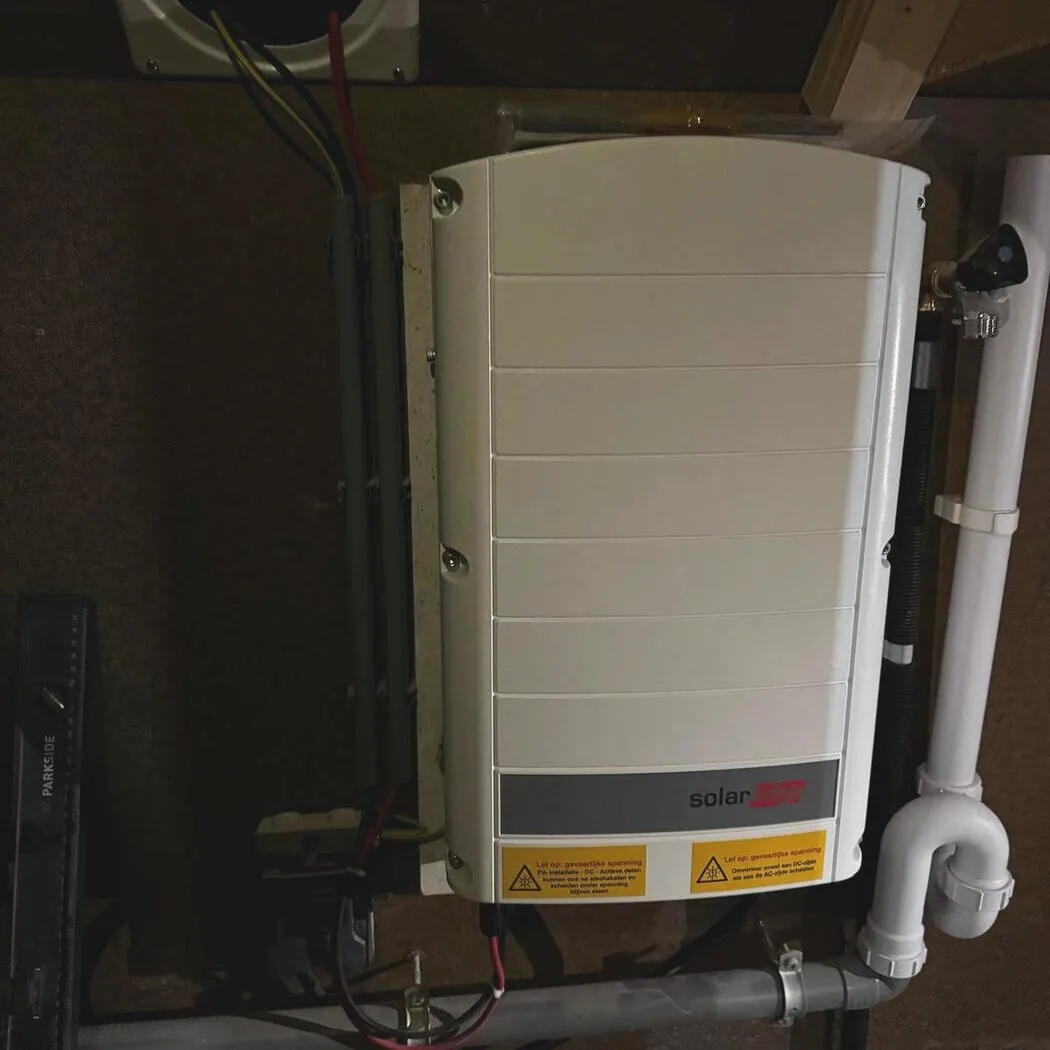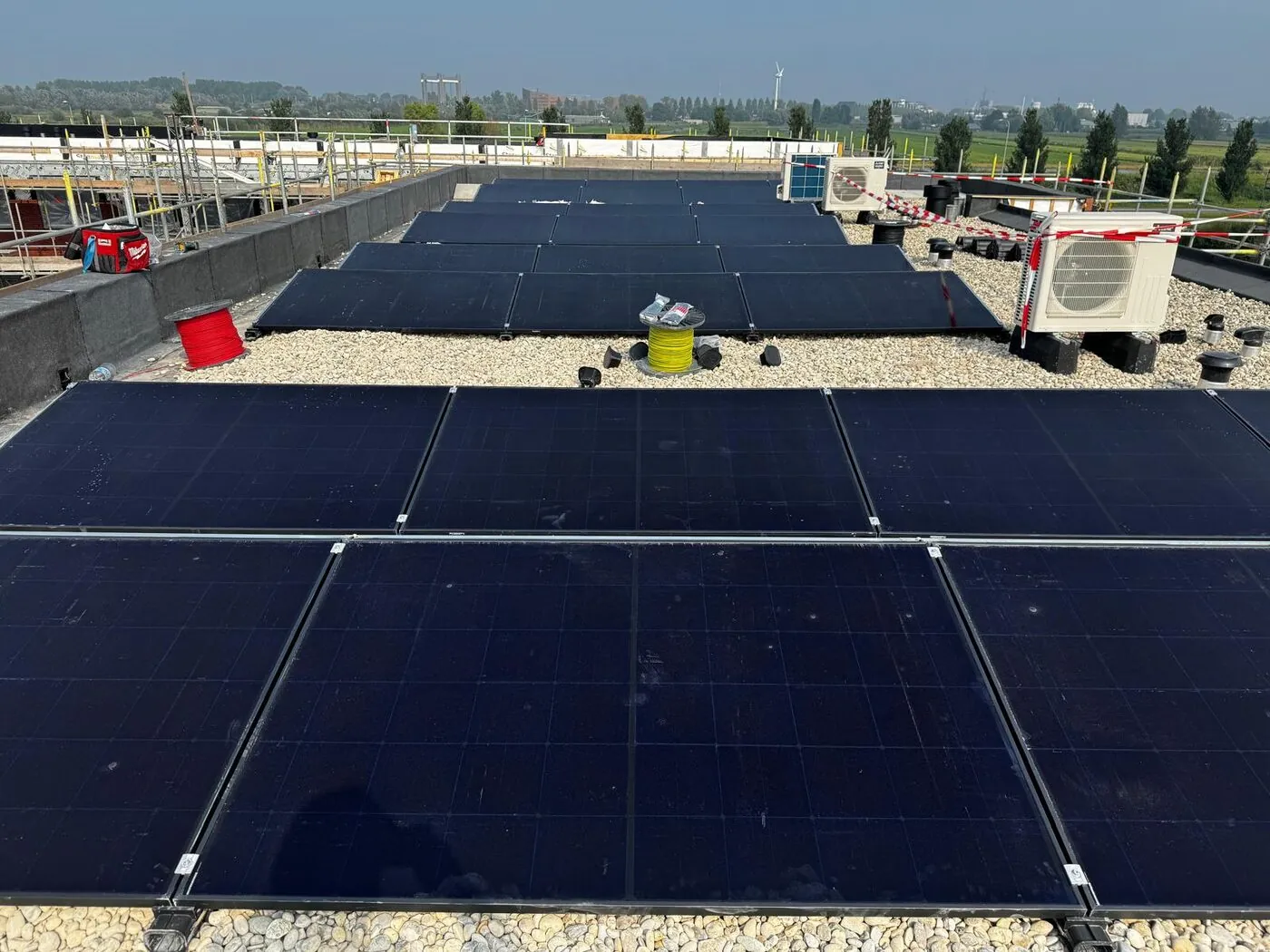
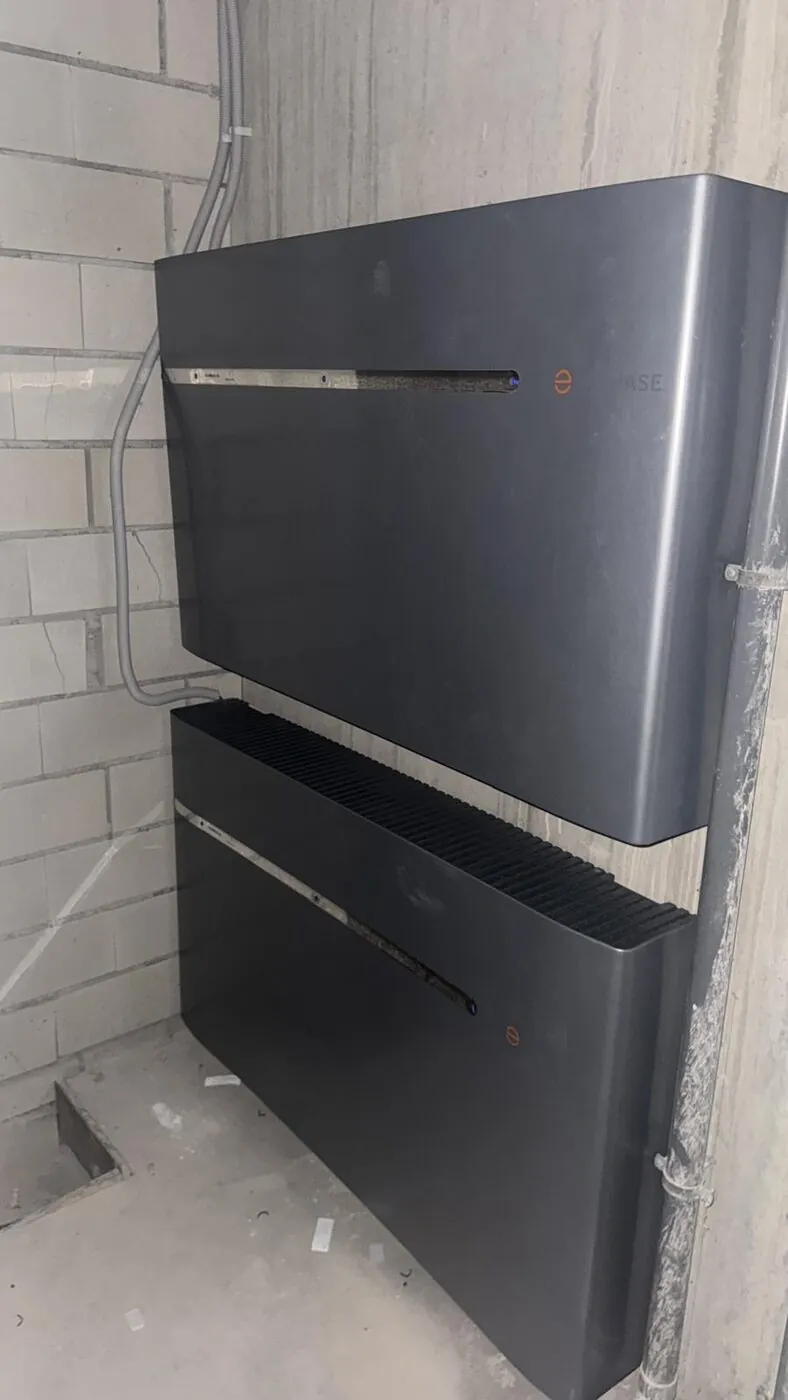
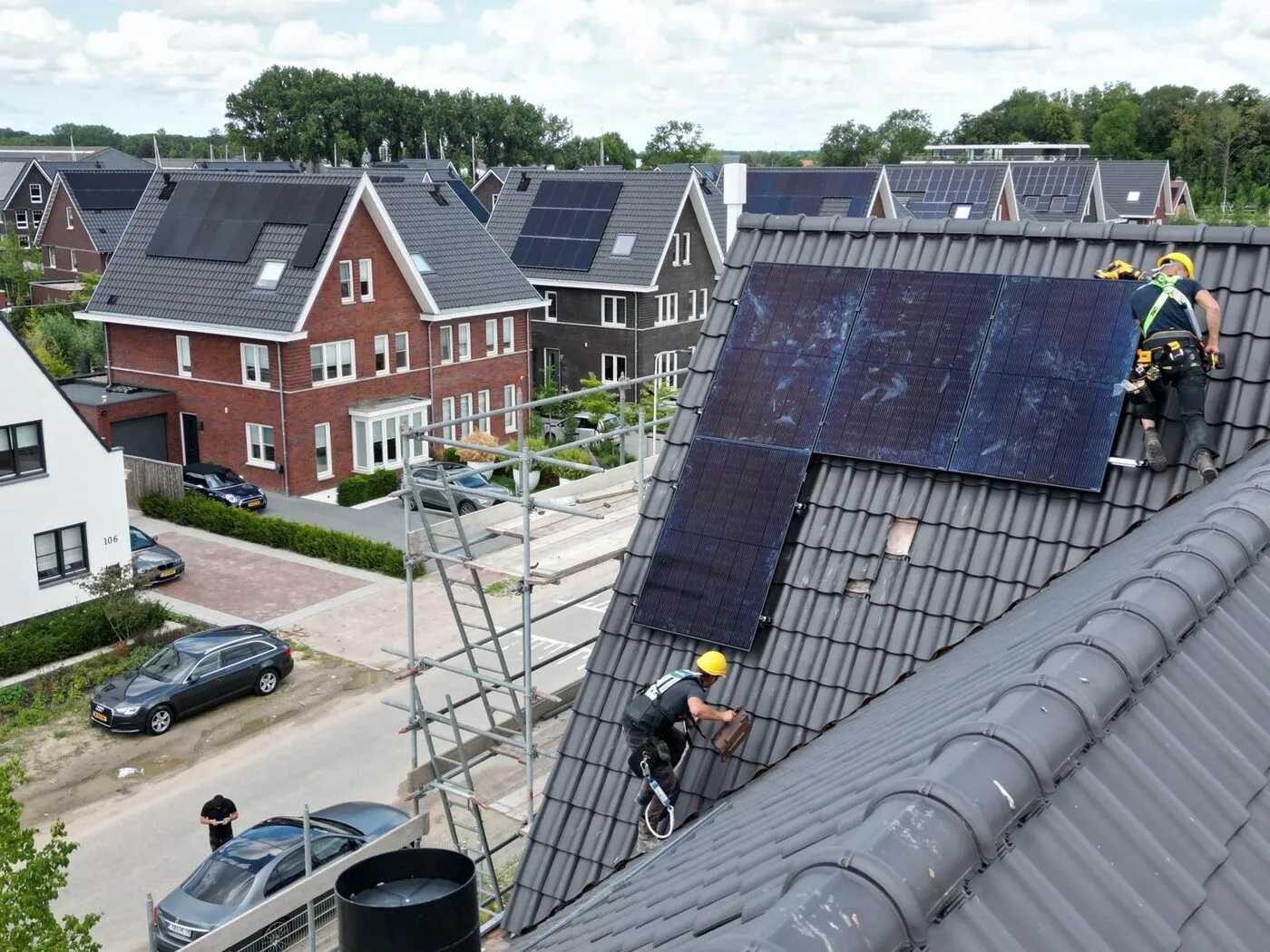
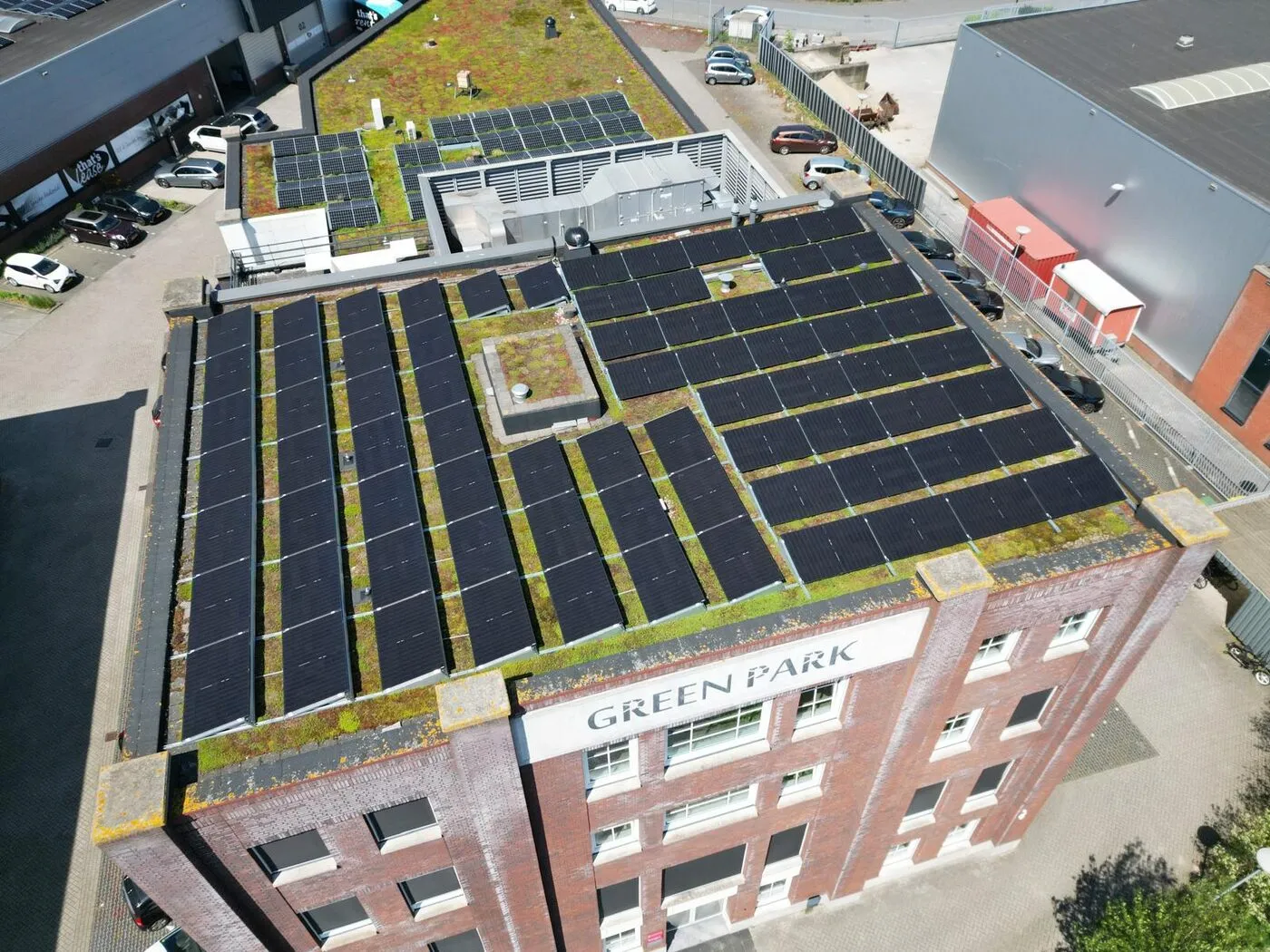
A home battery stores the solar energy you generate during the day, so you can use it yourself in the evening instead of feeding it back into the grid for a low price. With the approaching end of the net-metering scheme, this is becoming increasingly attractive.
- Net-metering ends on 1 January 2027
- With a battery, you use 60–80% of your solar energy yourself
- Smart with a dynamic energy contract
- We only provide advice if it is worthwhile in your specific situation
Why net-metering matters
The net metering scheme will end on 1 January 2027. After that, you will receive much less for the electricity you feed back into the grid than you pay for the electricity you purchase. The more of your own solar energy you use yourself, the more you save, and a home battery helps with that.
How much more independent will you become?
With a properly sized battery, you will indicatively use 60–80% of your solar energy yourself. In combination with a dynamic energy contract you can even charge when electricity is cheap and use it when it is expensive.
When does it pay off?
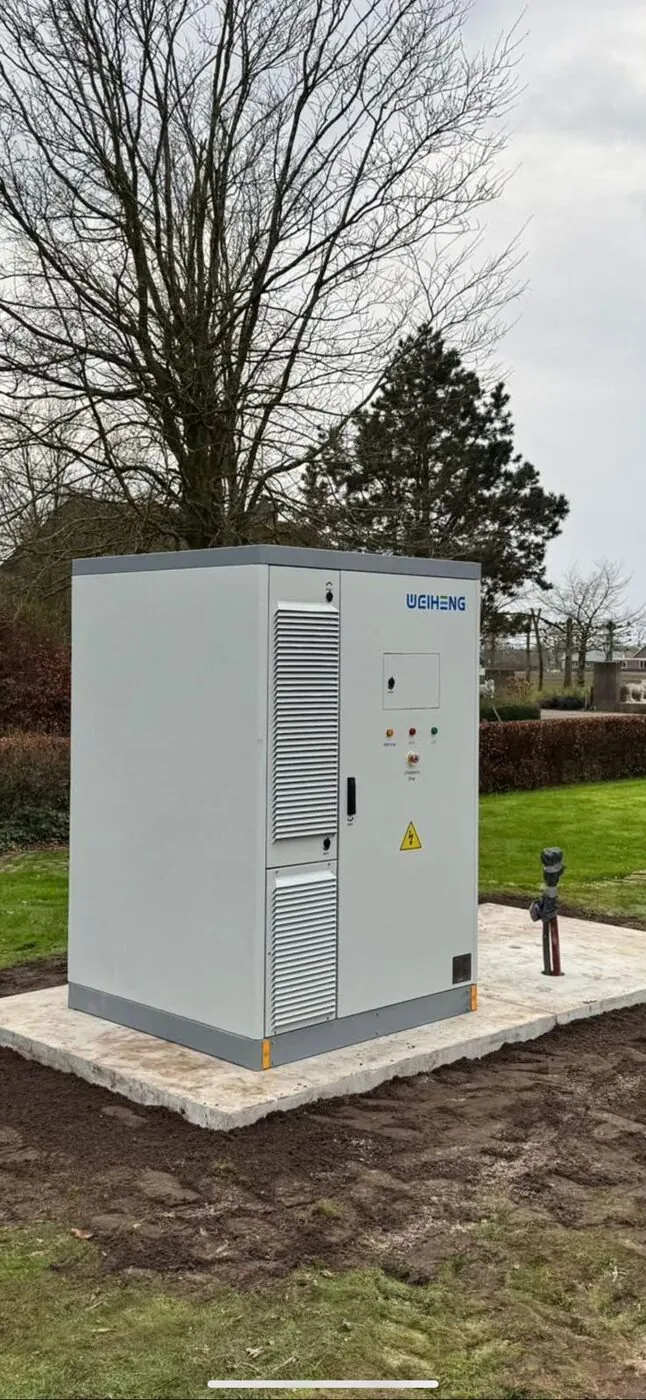
The payback period depends on your consumption, your solar panels, the battery size, and your contract. We will calculate this honestly for you and only recommend a battery if it is worthwhile in your specific situation.
Frequently asked questions
Do I need solar panels for a home battery?
Usually yes, the battery is most cost-effective in combination with solar panels. With a dynamic contract, a battery can sometimes also be worthwhile on its own.
How big should my battery be?
We tailor this to your consumption and generation. Too big is a waste, too small means you won't fully utilise your solar energy. We recommend the size that suits you.
Curious about what this means for your home?
Take the free sustainability check with your address; you will immediately see your energy label, roof area and savings opportunities.