If you generate more electricity than you are currently using, you export the surplus back to the grid. How this works financially will change significantly in 2027. Read here how it works now and what is changing.
- Until the end of 2026, you can fully offset your exported electricity
- As of 1 January 2027, the net metering scheme will end
- After that, self-consumption will become much more valuable
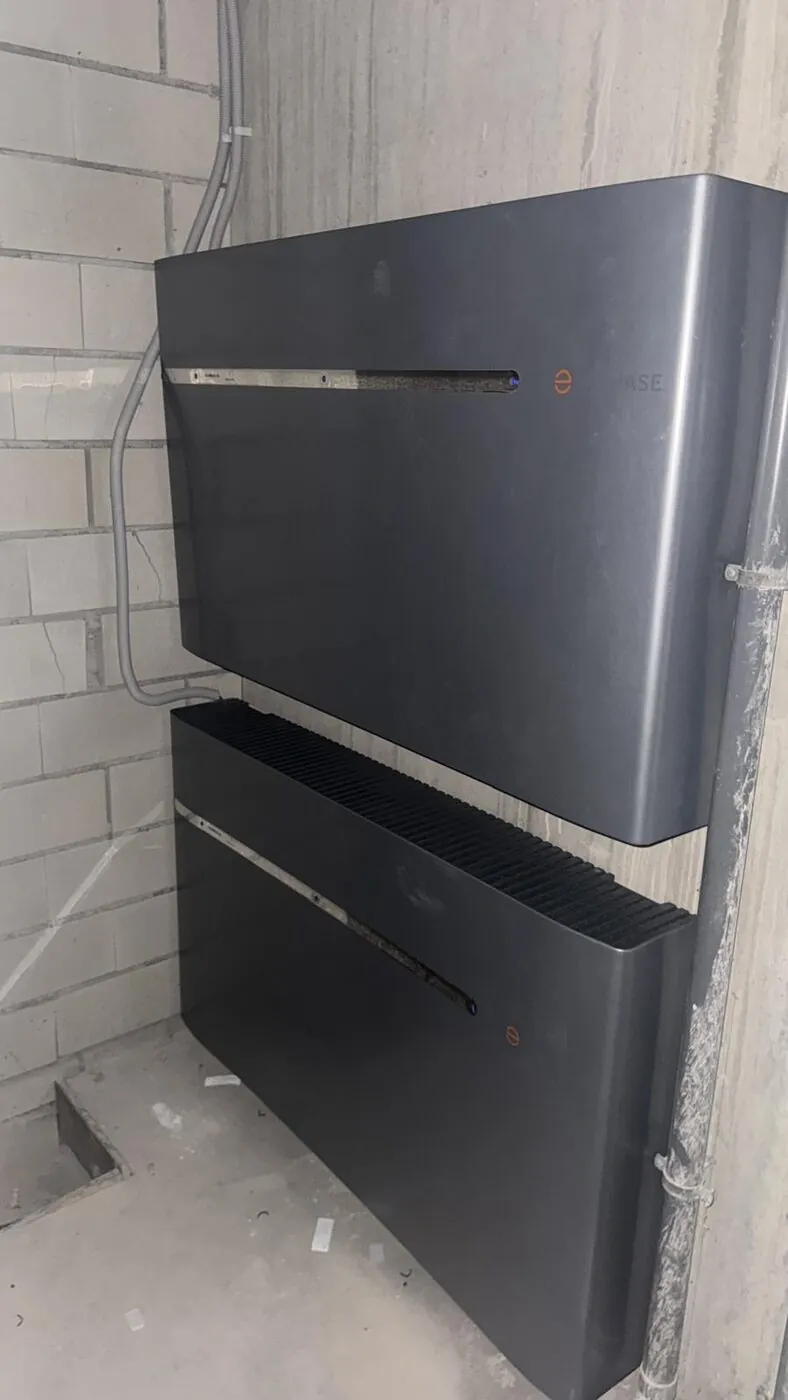
- A home battery increases your self-consumption
Net metering: how it works now
With net metering your exported kWh are offset against your consumed kWh. You only pay for the difference. You can still fully net meter until the end of 2026, which makes solar panels pay for themselves extra quickly.
What will change from 2027?
The net metering scheme will end on 1 January 2027. After that, you will receive a lower feed-in tariff for exported electricity than the price you pay for electricity from the grid. It will then pay to use as much of your own solar power as possible directly yourself.
Smartly preparing for the future
Shift your consumption to daytime hours (laundry, dishwasher, charging) and consider a home battery to use your own electricity in the evening. We will advise you on a setup that remains profitable even after the end of net metering.
Frequently asked questions
Will my solar panels remain profitable after 2027?
Yes. Solar panels will continue to save you money, but the benefit will shift from exporting to self-consumption. With smart consumption and potentially a battery, you will maintain a good return on investment.
What are feed-in costs?
Some energy suppliers charge fees for exporting electricity. It therefore pays to use as much of your own generated power as possible. We can advise you on this.
Curious about what this means for your home?
Take the free sustainability check with your address; you will immediately see your energy label, roof area and savings opportunities.