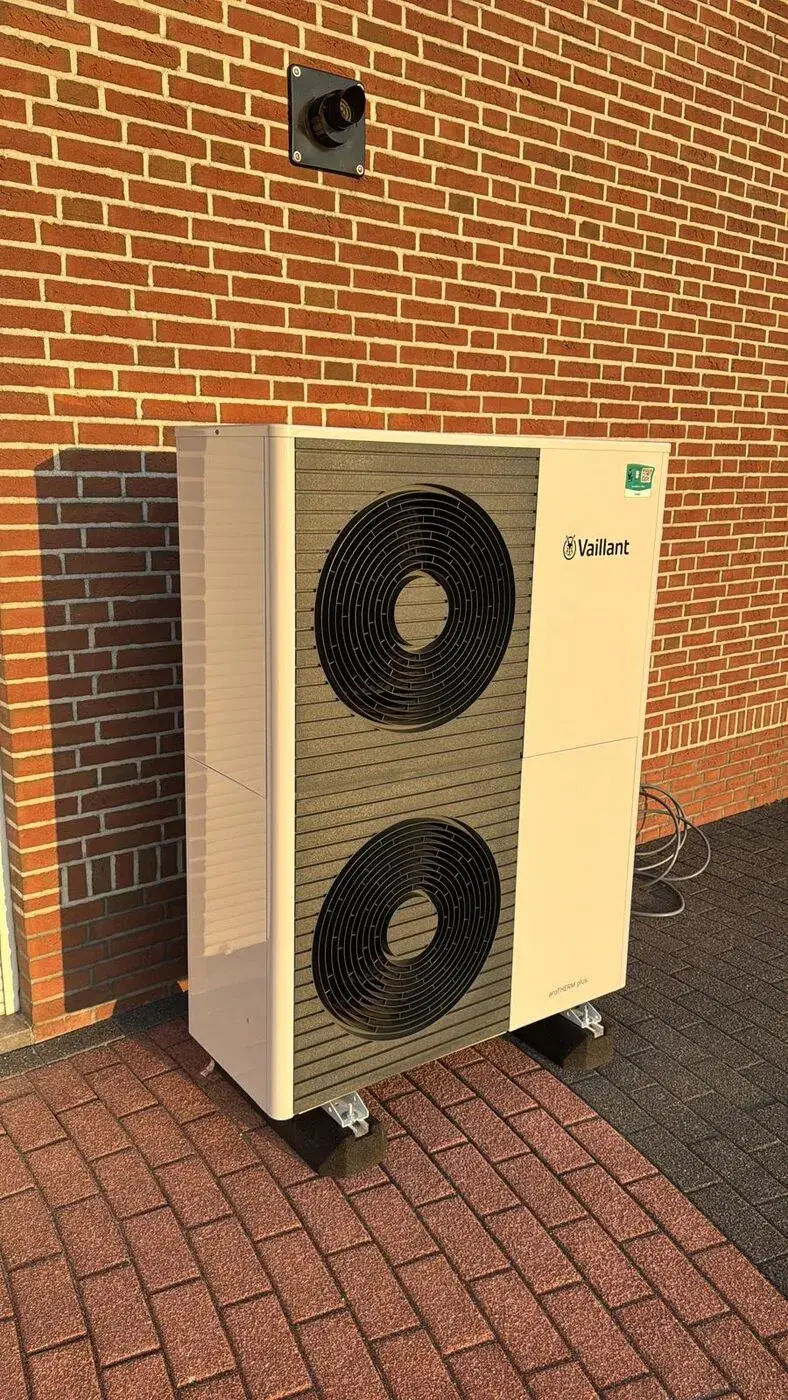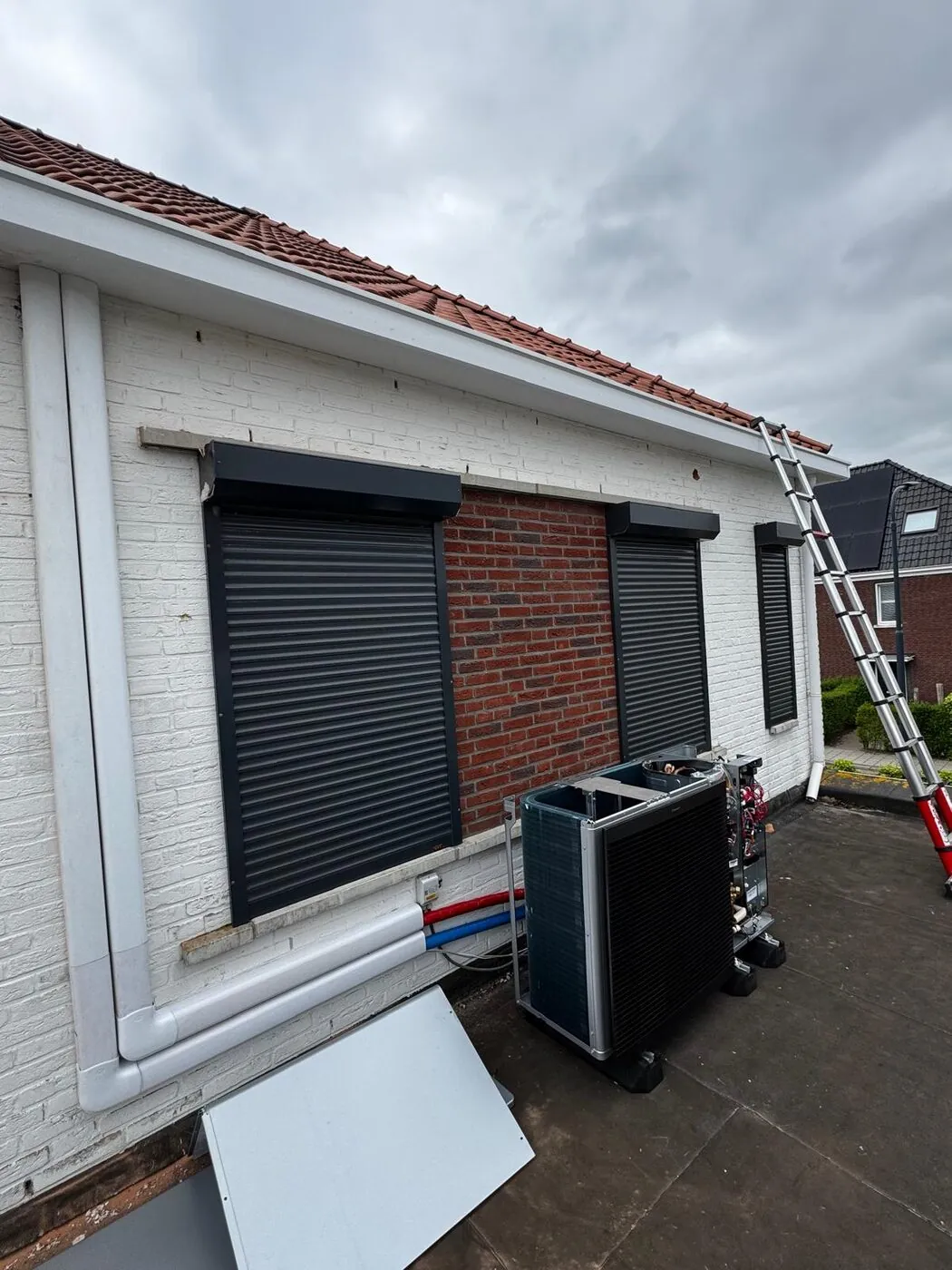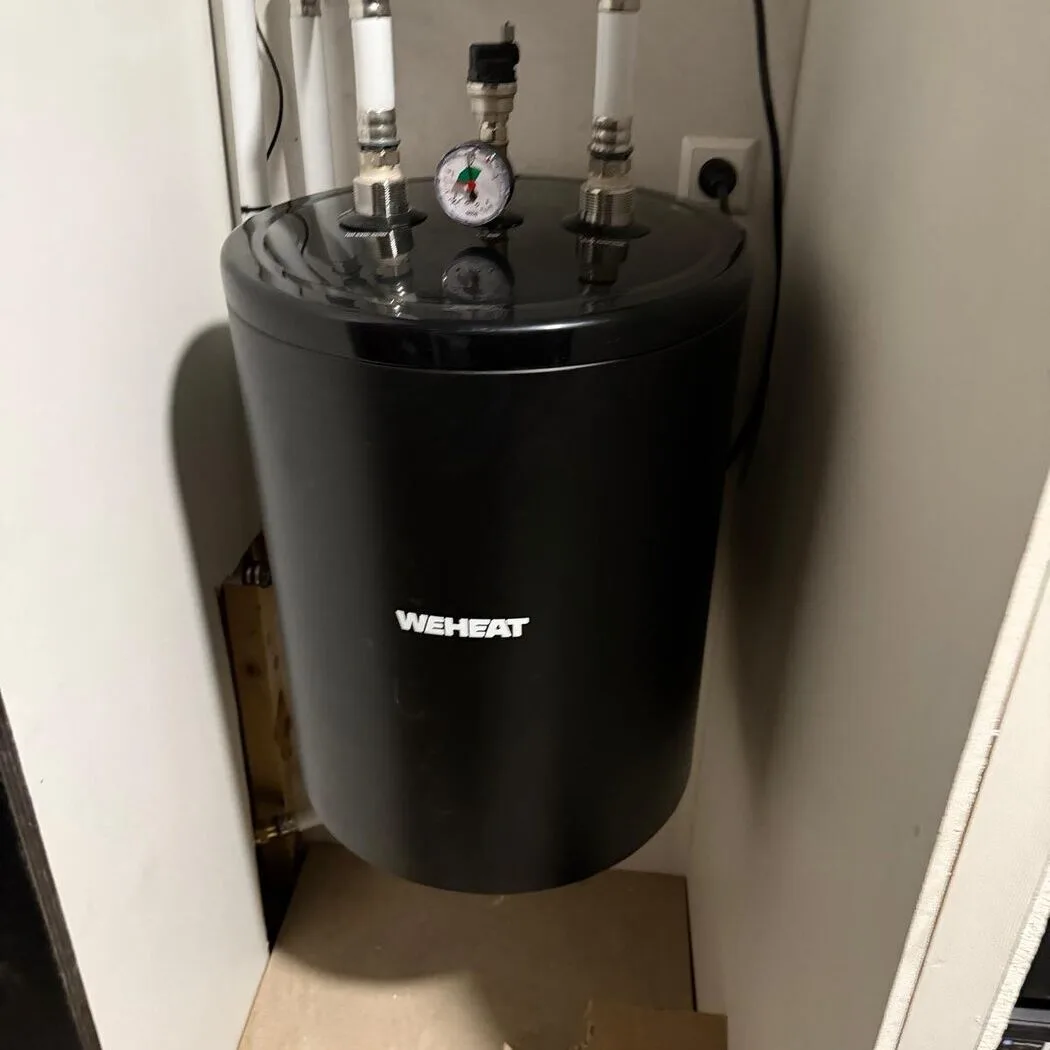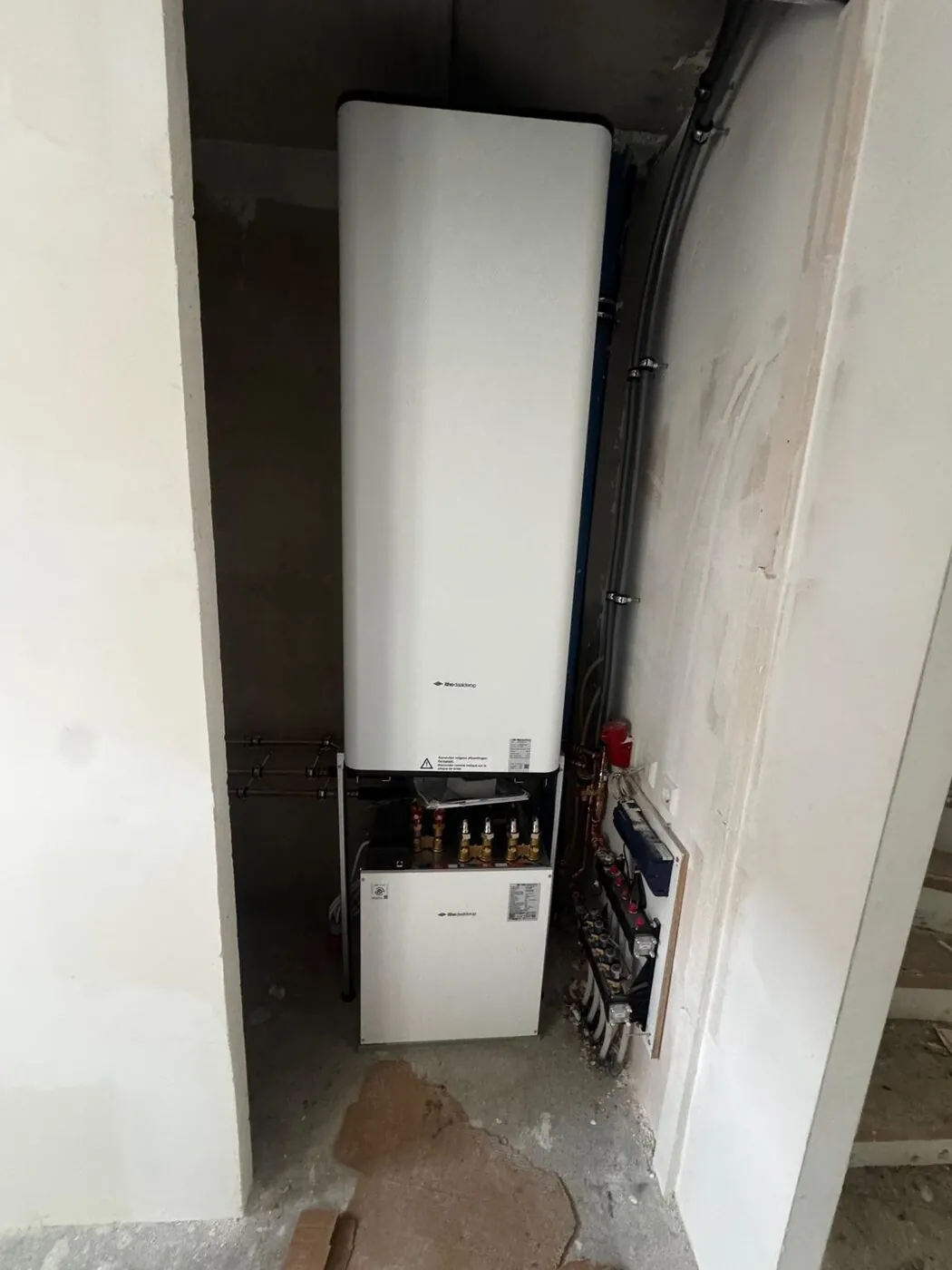
Choosing hybrid? View the hybrid heat pump
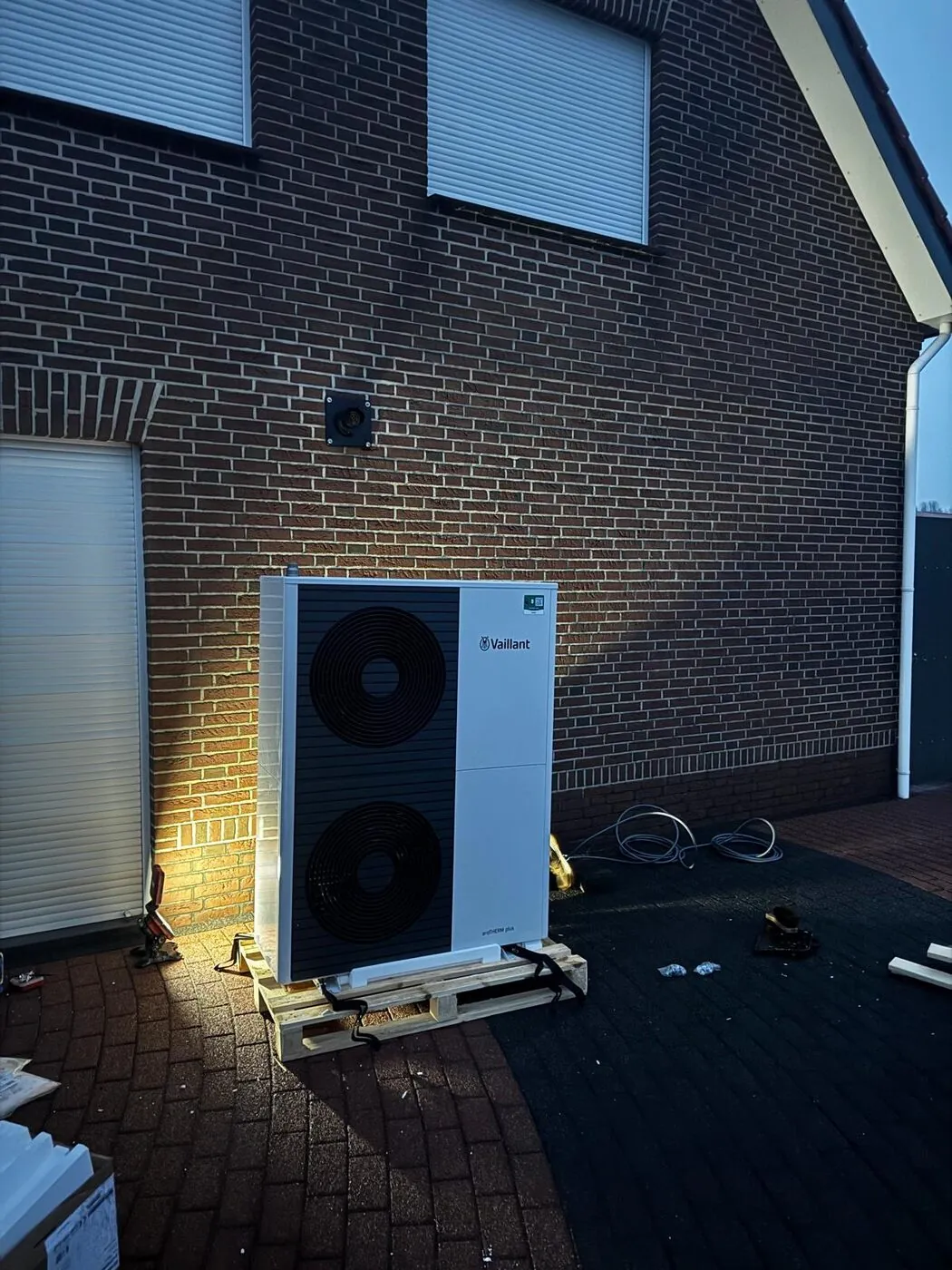
A heat pump extracts heat from the outside air to heat your home and water, using much less or no natural gas at all. There are two main types: the hybrid heat pump and the fully electric (all-electric) heat pump. The best choice mainly depends on your insulation, your radiators, your current gas consumption and your budget.
- Hybrid = heat pump plus your existing central heating boiler, the accessible first step
- All-electric = completely off gas, requires good insulation
- In winter, the central heating boiler assists with a hybrid system; an all-electric system is sized for this
- You can apply for the ISDE subsidy for both types
Hybrid heat pump: the smart first step
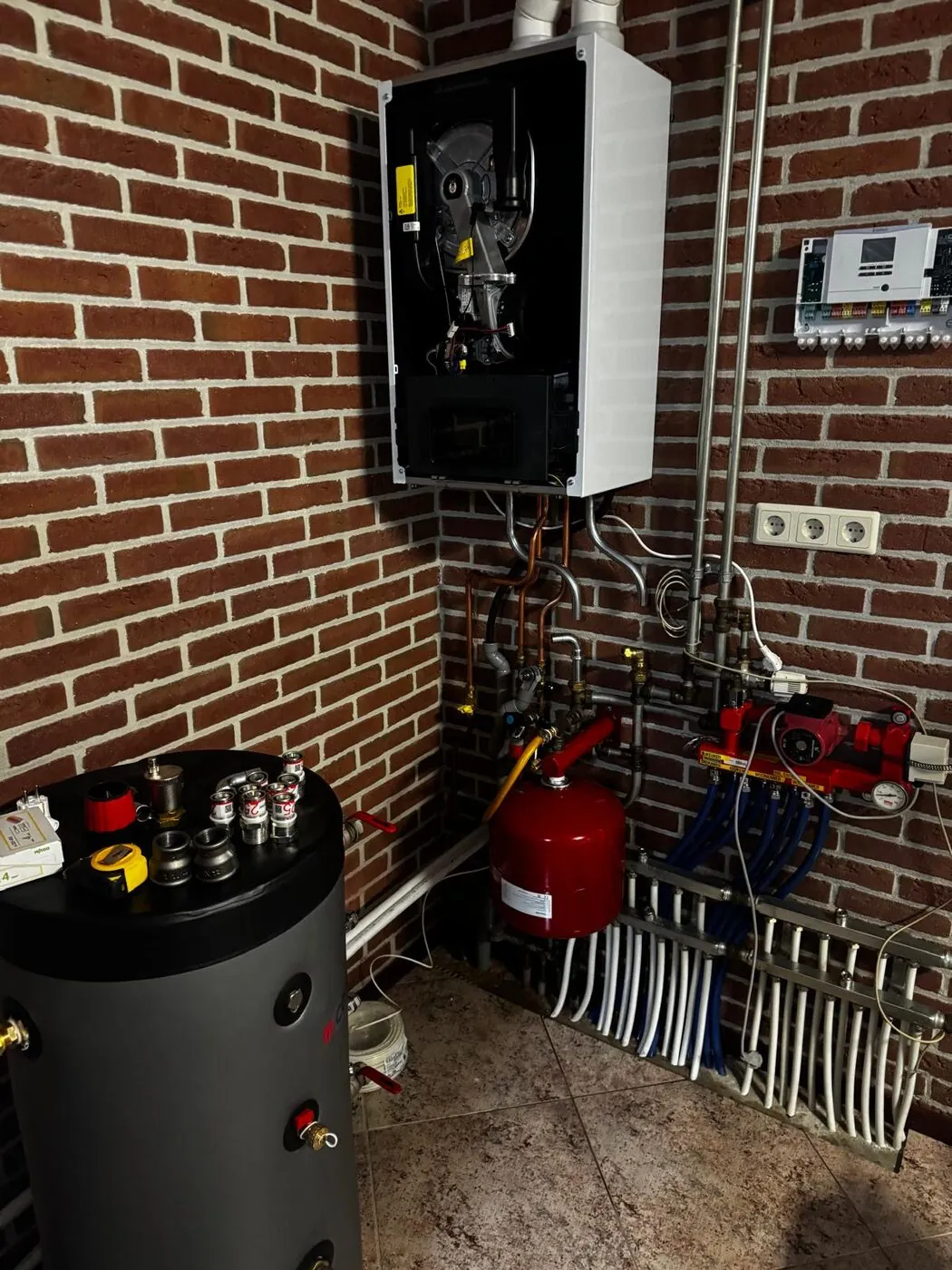
A hybrid heat pump works alongside your existing central heating boiler. The heat pump does most of the heating; on the coldest days and for domestic hot water, the central heating boiler steps in. This instantly reduces your gas consumption without having to adapt your entire home.
- Usually works with your existing radiators
- Less demanding insulation requirements
- Lower investment than all-electric
- Suitable for many existing homes
Fully electric: completely off gas
An all-electric air-to-water heat pump heats your home and domestic hot water without gas. This requires a well-insulated home and preferably low-temperature heat distribution, such as underfloor heating or larger radiators. The investment is higher, but you can get rid of your gas connection entirely. Also read what all-electric costs and whether you need to replace your radiators.
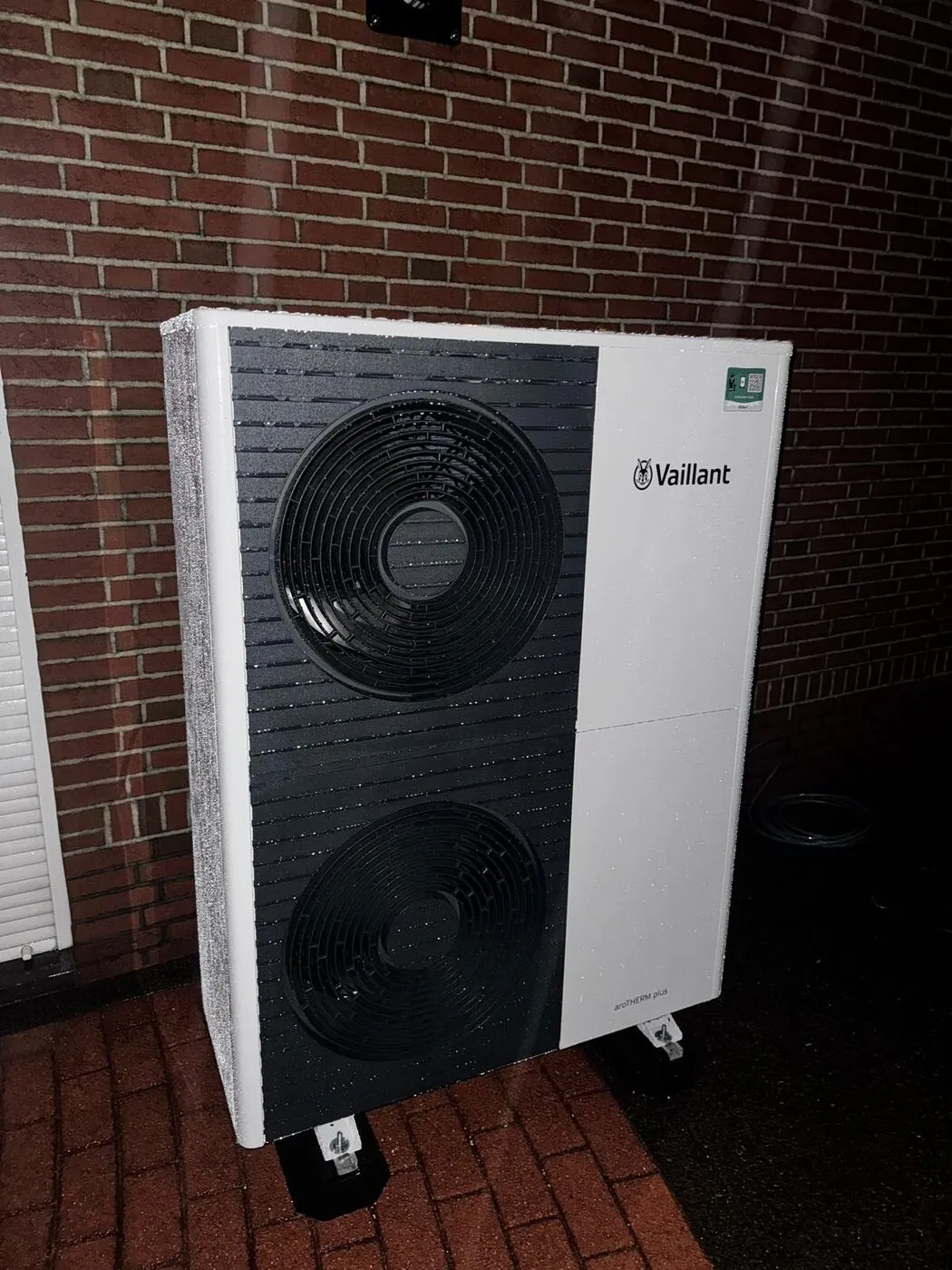
How do they perform in winter?
During freezing temperatures, the efficiency of any air-source heat pump drops because there is less heat to extract from the outside air. With a hybrid , the central heating boiler then takes over (partially); this keeps your home comfortable, even if it is less well-insulated. An all-electric heat pump is sized so that it keeps your home warm even on cold days, potentially with an electric back-up heating element for the coldest spells. More about this in heat pump in winter.
Comparison at a glance
| Hybrid | Fully electric | |
|---|---|---|
| Gas | Less gas, boiler remains | No gas needed anymore |
| Insulation | Moderate to reasonable often suffices | Good insulation required |
| Radiators | Usually existing radiators | Preferably low-temperature distribution |
| Hot water | Via the central heating boiler | Via a domestic hot water cylinder with the heat pump |
| Investment | Lower | Higher |
| ISDE subsidy | Yes, if the appliance is on the RVO list | Yes, if the appliance is on the RVO list |
Which one suits you?
Rule of thumb: if your home is moderately to reasonably insulated, hybrid is usually the wisest first step. If your home is well-insulated (or you plan to make it so) and you really want to get off gas, then all-electric interesting. Are you unsure? We will check it free of charge during an on-site survey. For both types, you can Applying for ISDE subsidyThe total cost is detailed at heat pump costs.
We will assess your insulation and radiators on-site and advise which step will yield the most benefit now.
Frequently asked questions
Do I need underfloor heating for a heat pump?
For a hybrid heat pump, usually not, as it works with existing radiators. For all-electric, low-temperature radiators or underfloor heating help maintain high efficiency.
Can I switch from hybrid to all-electric later?
Yes. Many people start with a hybrid and switch later once the home has been further insulated. We are happy to advise you on a future-proof setup.
Does a hybrid heat pump keep my house warm in winter?
Yes. On cold days, the central heating boiler will assist, ensuring your comfort remains the same. The heat pump does the work as long as it is more economical.
Do I get a subsidy?
For both hybrid and all-electric air-to-water heat pumps, you can in 2026 Applying for ISDE subsidyprovided the device is on the RVO's list of approved appliances.
Curious about what this means for your home?
Request a no-obligation quote or start with the free sustainability check for your address.