The choice between a ground-source or air-source heat pump is crucial for the efficiency and sustainability of your heating system. Both options offer unique benefits and considerations, depending on your home, budget, and energy requirements. This article helps you make the right decision by highlighting the key differences and applications.
- A ground-source heat pump extracts heat from the ground, while an air-source heat pump extracts heat from the outside air.
- Ground-source heat pumps are often more efficient, but also more expensive to install.
- Air-source heat pumps are less expensive, but can be less efficient in very cold weather.
How do ground-source and air-source heat pumps work?
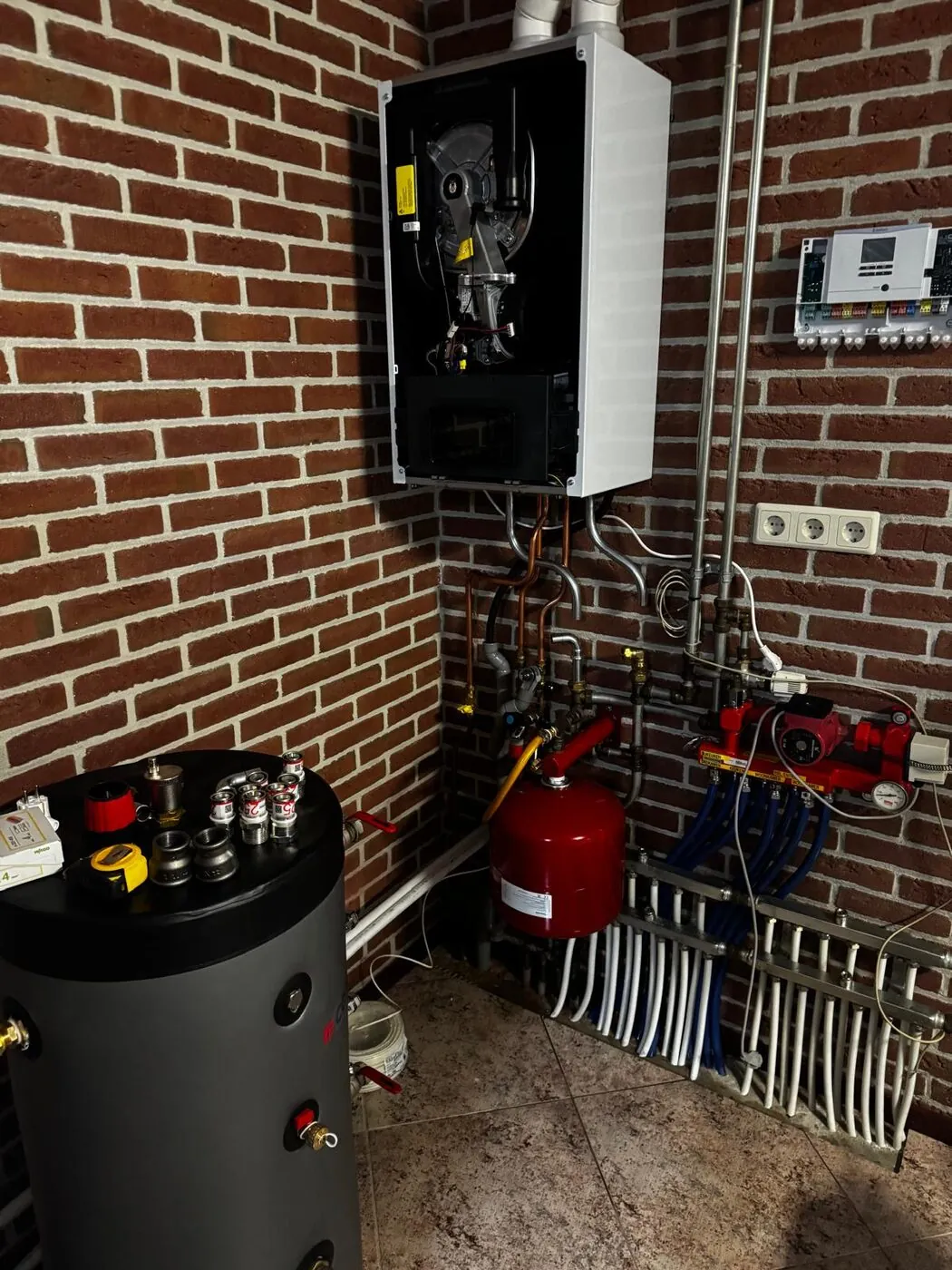
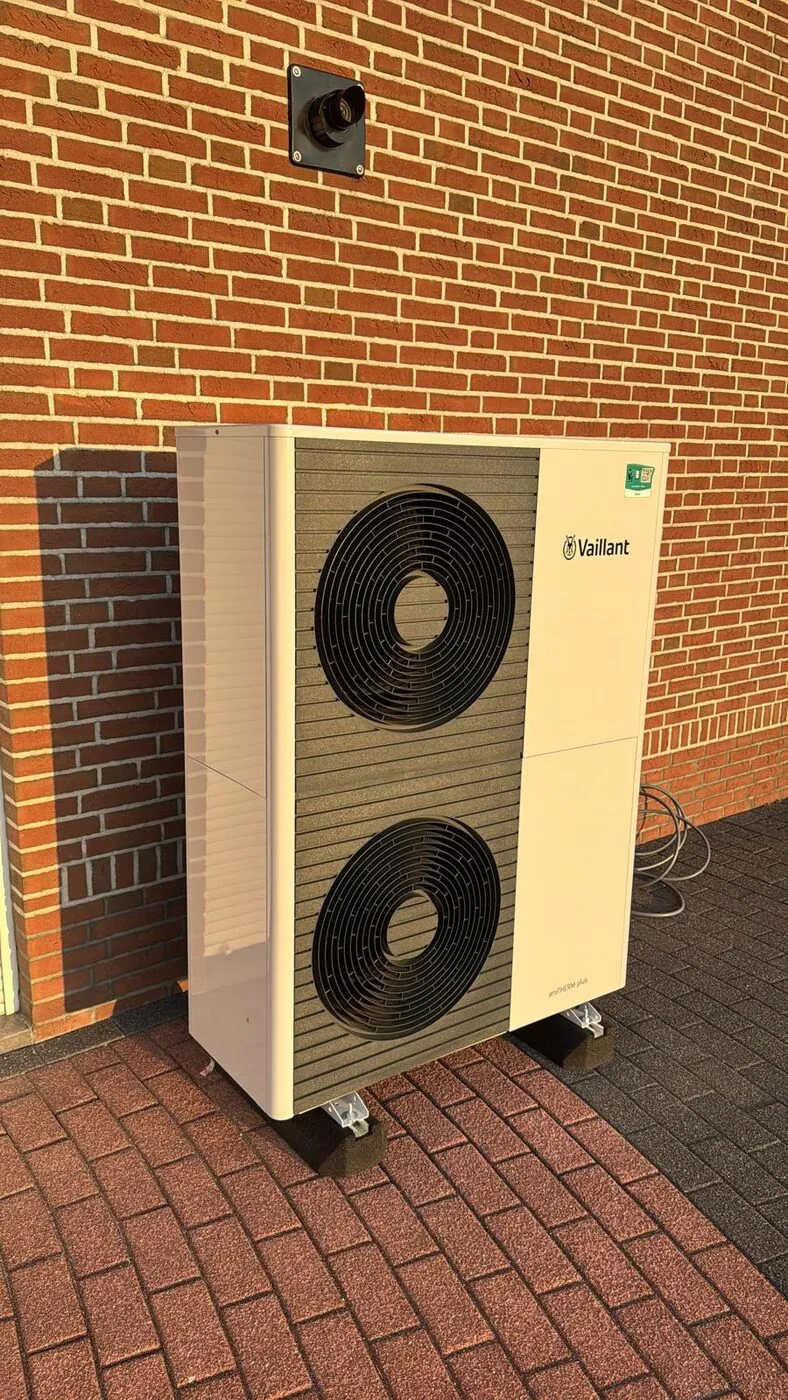
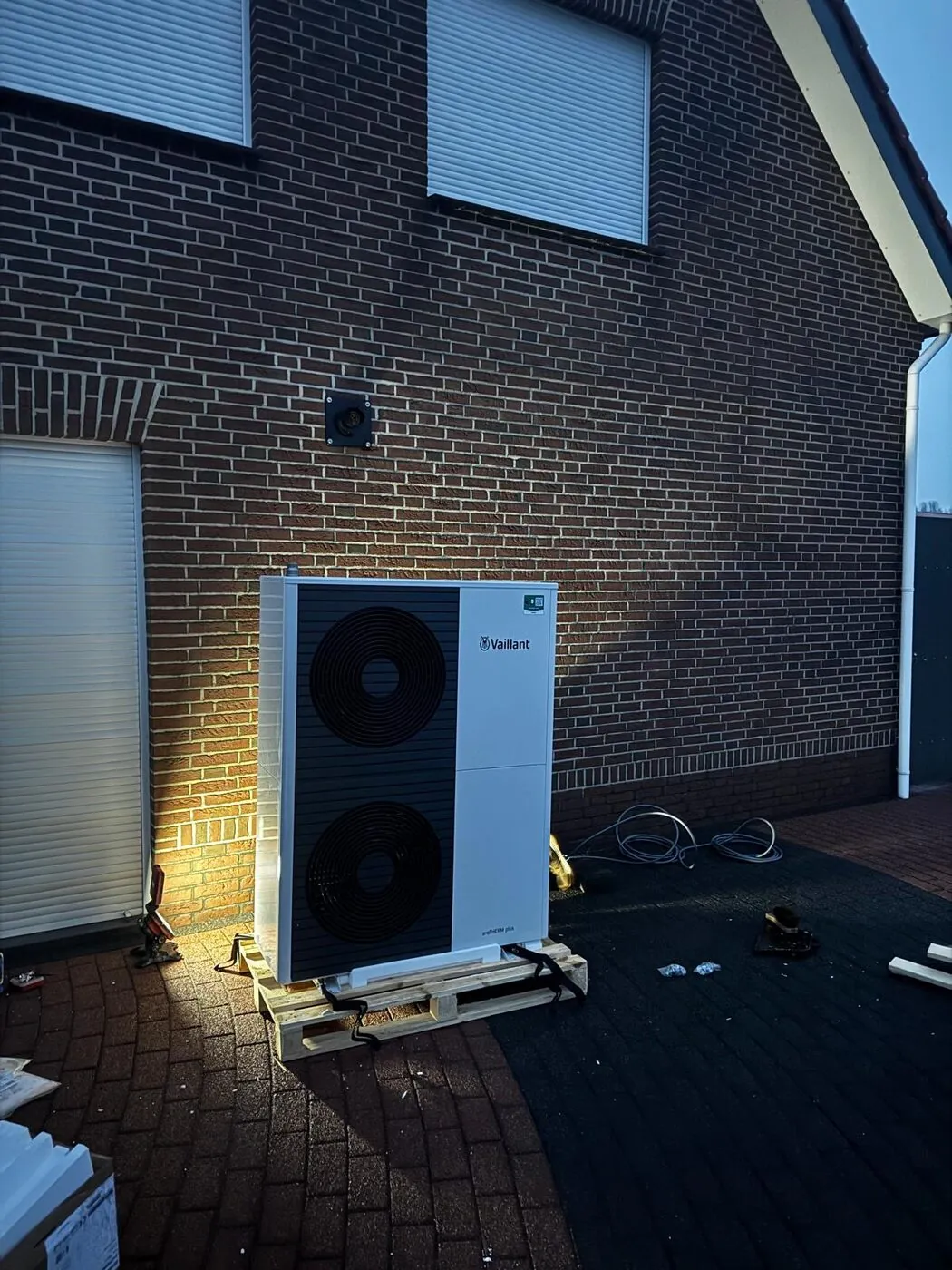
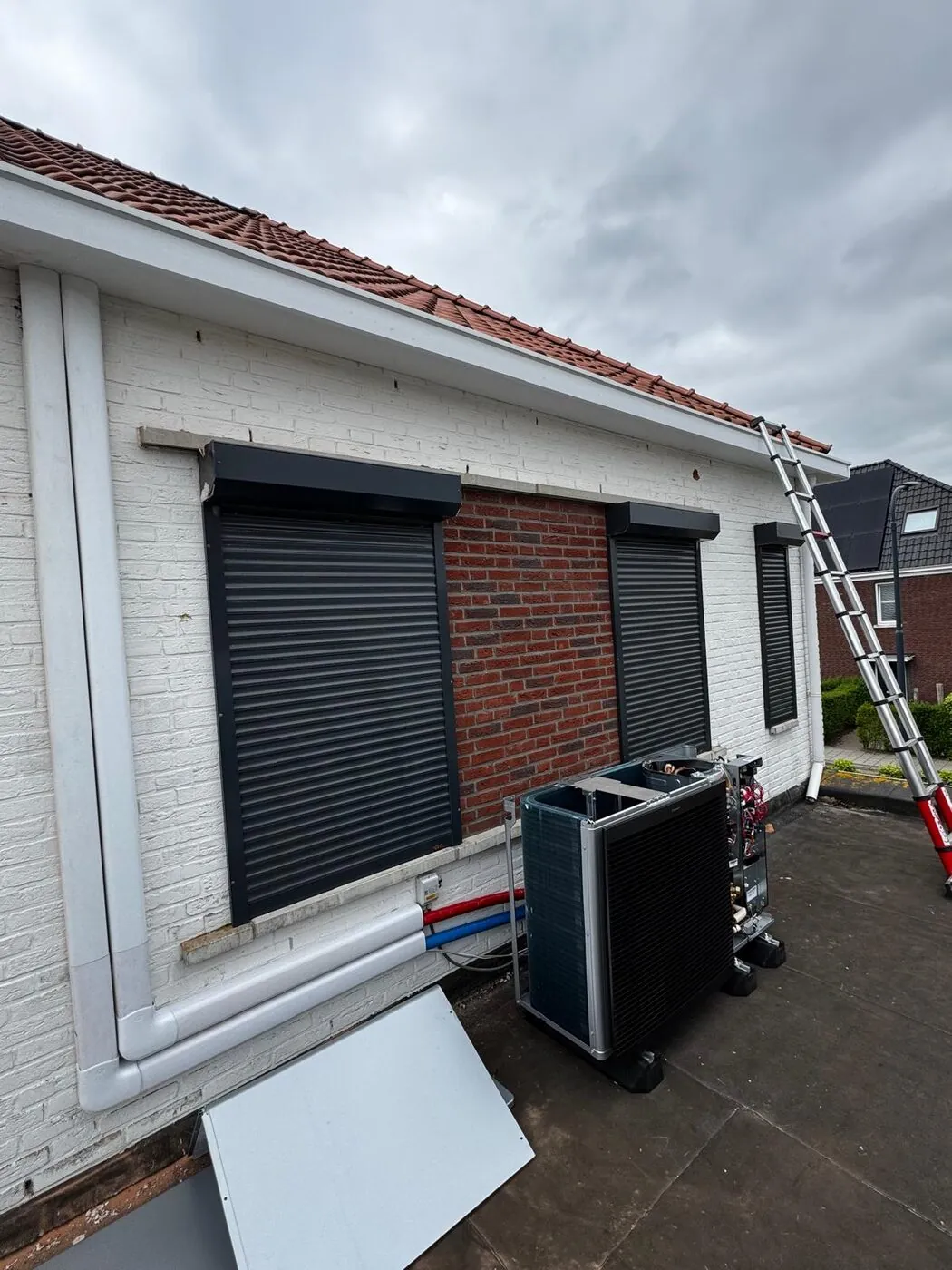
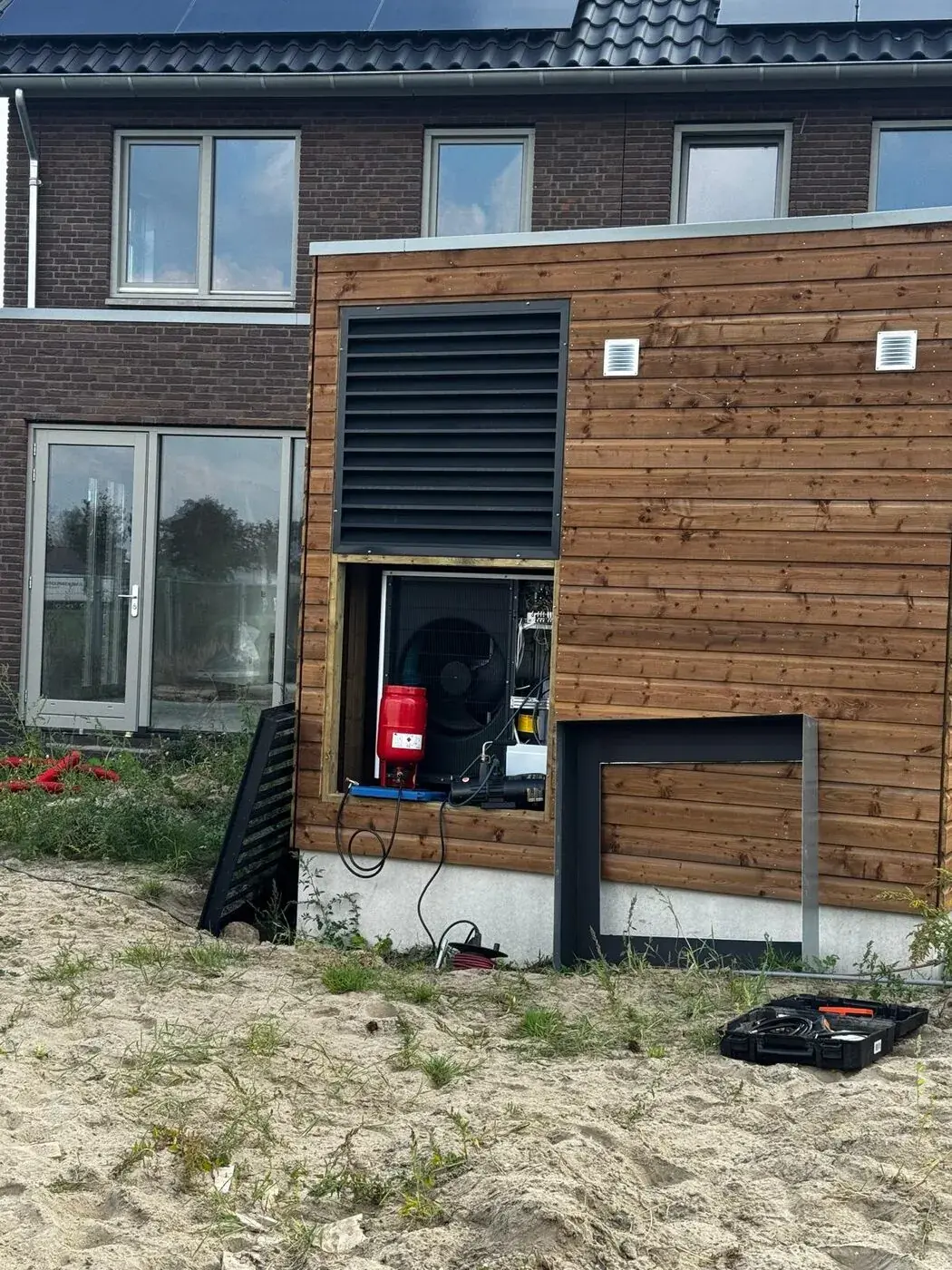
A heat pump works on the same principle as a refrigerator. Heat is extracted from the source (ground or air) and used to heat your home. Ground-source heat pumps use an underground pipe to extract heat from the earth, while air-source heat pumps have an outdoor unit that extracts heat from the outside air.
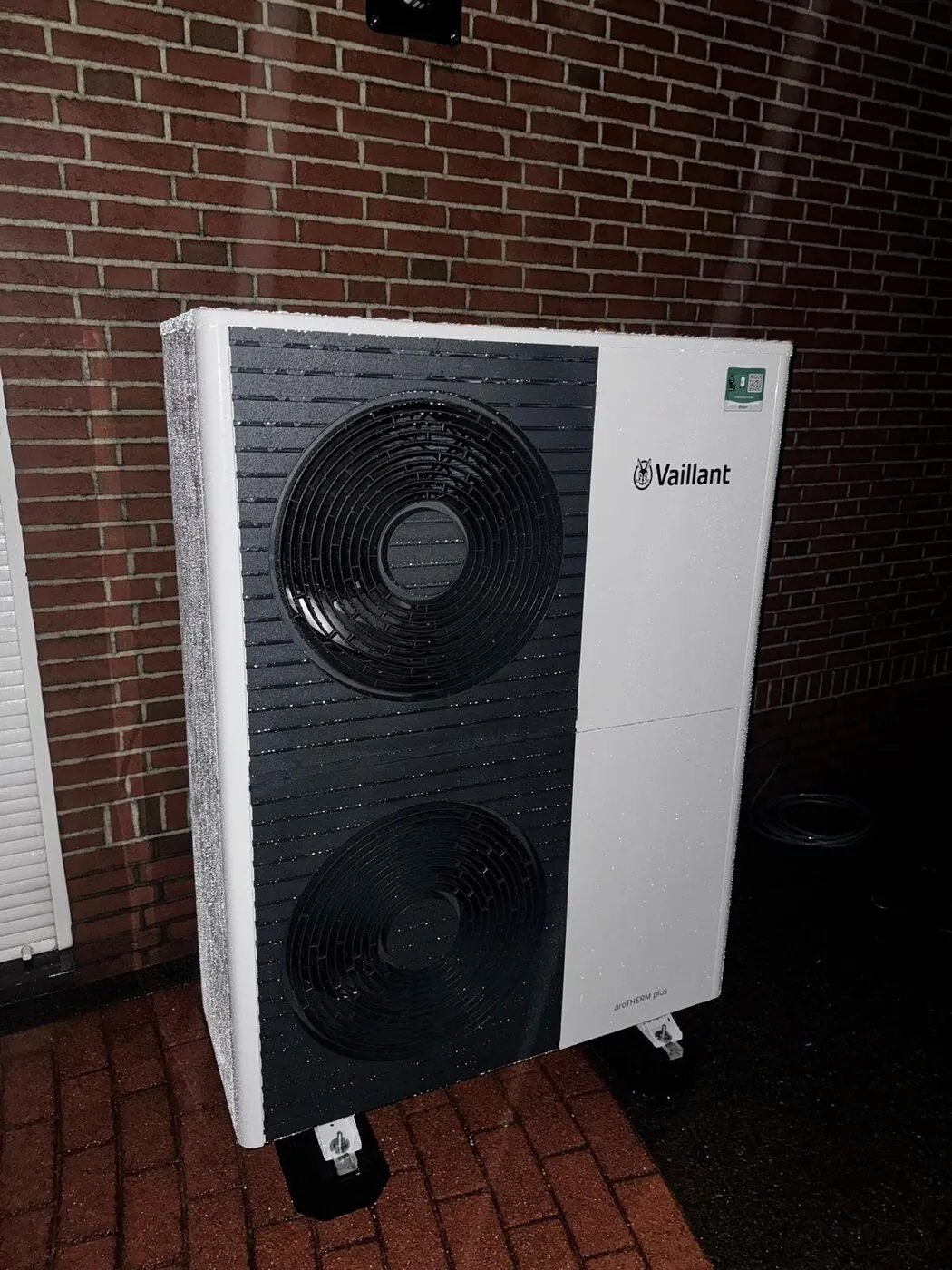
Choosing between a ground-source or air-source heat pump
The choice between a ground-source or air-source heat pump depends on several factors, such as the size of your home, the insulation, and your budget. In general, ground-source heat pumps are more efficient, but also more expensive to install. Air-source heat pumps are less expensive, but can be less efficient in very cold weather.
Frequently asked questions
Which is cheaper: a ground-source or air-source heat pump?
The purchase price of an air-source heat pump is generally lower than that of a ground-source heat pump. However, the price can range from a few thousand to tens of thousands of euros, depending on the type and brand.
How much maintenance does a heat pump require?
Heat pumps generally require little maintenance. However, it is recommended to have the installation checked annually by a professional, such as the experts at Energie Install.
Curious about what this means for your home?
Take the free sustainability check with your address; you will immediately see your energy label, roof area and savings opportunities.